
Back pain
What Causes Pain in the Lower Left Back?
Pain in the lower left back is often cause by musculoskeletal disorders or problems with internal organs.

Pain in the lower left back is often cause by musculoskeletal disorders or problems with internal organs.
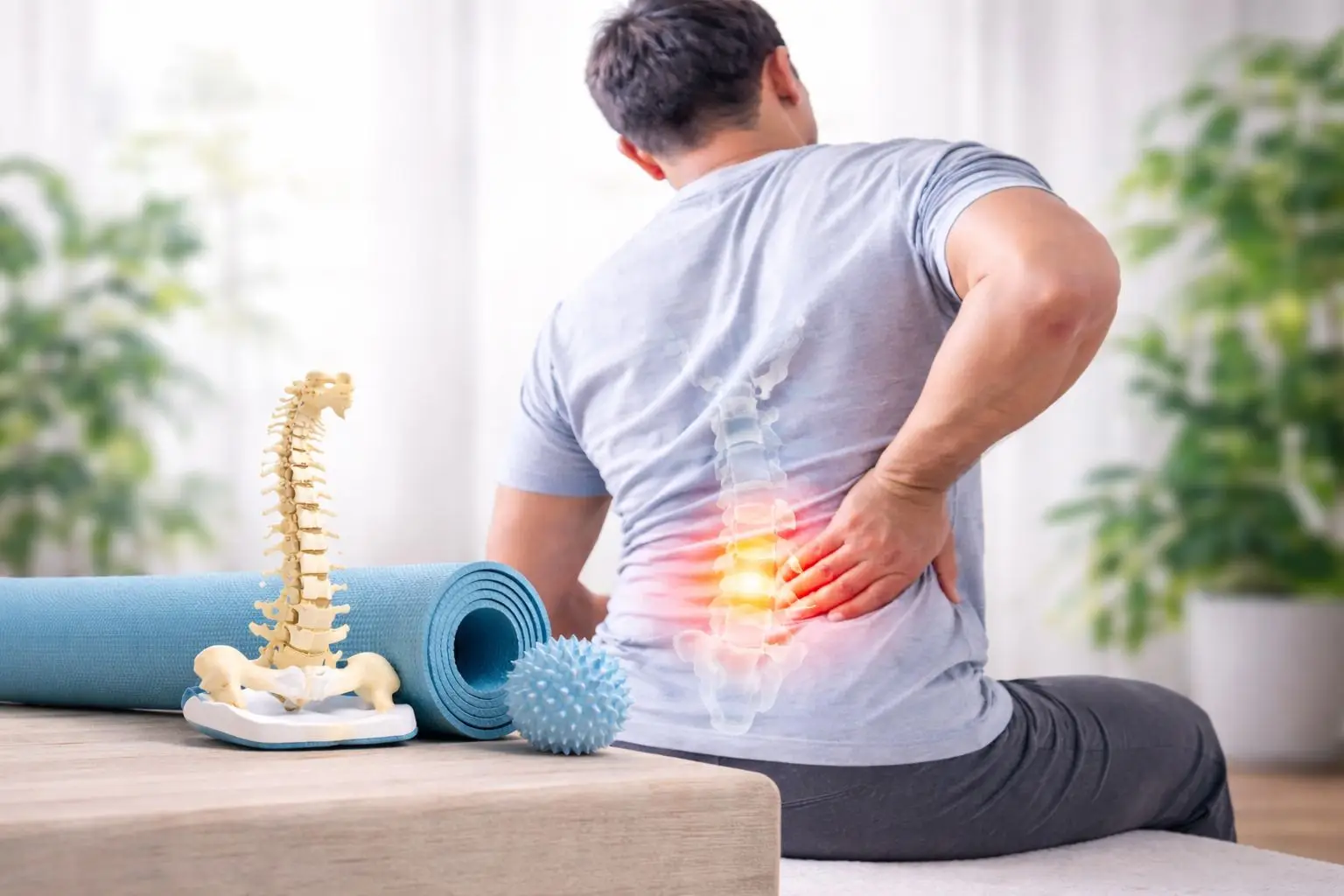
Lower back pain is one of the most common musculoskeletal problems worldwide. Long hours of sitting, repetitive strain, poor posture, and disc compression can gradually

If you ride often, you probably know the feeling. You finish a session, hop off the horse, and the moment your feet touch the ground

Lumbago, commonly referred to as low back pain, is a condition that affects millions of people worldwide. One of the leading, yet often overlooked, contributors

Are you struggling with sacroiliac joint dysfunction and seeking effective treatment options to alleviate your discomfort? Relieve it with the Backrack Spinal Decompression Device.

Piriformis syndrome discomfort can be debilitating, affecting your daily activities and overall quality of life. To treat it, using natural pain relief methods might be most beneficial.

Lumbar lordosis, an exaggerated inward curve of the lower spine, can often lead to discomfort and pain. Find out how to relieve the pain it causes.

Find out what activities are safe for L5-S1 pain sufferers to engage in. Staying active even with spinal issues is important to maintain or even improve spine health.

Correcting posture and reducing pain from an exaggerated lordotic curve can be done with the help of exercises that target the affected region of the back.

Lumbar spondylosis, also known as osteoarthritis of the spine or degenerative disc disease, is a painful condition affecting the lower back. It refers to the gradual deterioration of spinal structures.

There are two main types of lower back pain, categorised based on duration: acute and chronic. Regardless of their type, they can both be treated effectively from home with the Backrack.

Some of the best practices for lordosis sufferers include stretching exercises, wearing supportive shoes as well as correcting one’s posture with a specific group exercises.