What Causes Pain in the Lower Left Back?

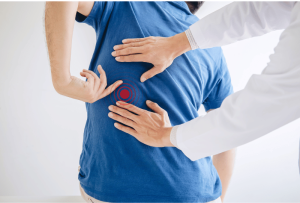
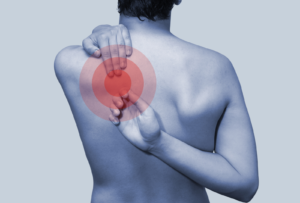
Lower left back pain can be confusing because it does not always come from the same place. Sometimes it starts in the muscles, joints, discs, or nerves of the lower spine. Other times, pain on the lower left side of the back may be linked to the kidney, colon, pancreas, or reproductive organs.

That is why the details matter. Pain that starts after lifting, twisting, sitting too long, or sleeping awkwardly is often mechanical. Pain that comes with fever, urinary symptoms, abdominal pain, nausea, numbness, or leg weakness should be treated more carefully.

This guide explains the common causes of lower left back pain, how to tell when it may be serious, what treatment options may help, and when spinal decompression may be appropriate.

Quick Answer: Why Does My Lower Left Back Hurt?

Lower left back pain is commonly caused by muscle strain, ligament irritation, sacroiliac joint dysfunction, poor posture, disc problems, sciatica, or nerve irritation. These causes are often related to movement, posture, lifting, sitting, or repeated stress on the lower spine.

However, pain in the lower left back can sometimes come from internal causes. These may include kidney stones, kidney infection, digestive problems, pancreatitis, ovarian cysts, endometriosis, fibroids, or pregnancy-related changes.

If the pain feels mild, changes with movement, and improves with rest or gentle activity, it may be mechanical. If it is severe, sudden, deep, spreading, or paired with other symptoms, it is safer to get medical advice.

When Lower Left Back Pain May Be Serious

Most cases of lower back pain are not emergencies, but some symptoms should not be ignored.

Seek urgent medical help if lower left back pain is accompanied by fever, chills, vomiting, blood in the urine, painful urination, severe abdominal pain, loss of bladder or bowel control, numbness around the groin, leg weakness, unexplained weight loss, recent injury, or sudden severe pain.

These symptoms may point to an infection, kidney problem, abdominal condition, nerve compression, or another issue that needs medical evaluation.

You should also speak with a healthcare professional if the pain keeps coming back, does not improve after several days, wakes you at night, or makes it difficult to walk, sleep, work, or carry out daily activities.

Common Musculoskeletal Causes of Lower Left Back Pain

Musculoskeletal pain comes from the muscles, ligaments, joints, discs, or nerves around the spine and pelvis. This is one of the most common categories of lower left back pain.

9 common musculoskeletal causes of lower left back pain infographic - Spinal Backrack

1. Muscle Strain

A muscle strain can happen when the muscles in the lower back are stretched, overloaded, or irritated. This may happen after lifting something heavy, twisting suddenly, exercising too hard, bending repeatedly, or sitting in a poor position for a long time.

Muscle-related pain often feels sore, tight, stiff, or achy. It may be more noticeable when you bend, lift, stand up, turn in bed, or move from sitting to standing. The area may also feel tender when pressed.

Mild strains often improve with a short break from painful activities, gentle walking, heat or ice, and a gradual return to normal movement.

If the discomfort feels more like stiffness or tightness, it may help to understand how lower back muscle tightness can develop from posture, stress, and repeated strain.

2. Ligament Sprain

Ligaments help keep the lower spine and pelvis stable. A ligament sprain can occur when the lower back is pushed beyond its normal range.

This can happen during a fall, sudden twist, awkward lift, or overstretching movement. The pain may feel sharp at first, then become stiff, sore, or restricted over the next few hours or days.

If the pain is mild and improves with gentle movement, conservative care may be enough. If it follows trauma or feels severe, it should be checked.

3. Sacroiliac Joint Dysfunction

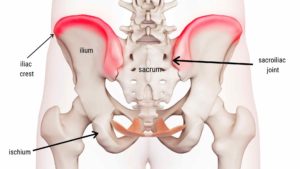
The sacroiliac joints are found deep in the back of the pelvis, where they help link the lower spine with the hip bones. They help transfer weight between the upper body and the legs.

When the left sacroiliac joint becomes irritated, it can cause pain in the lower left back, buttock, hip area, or back of the pelvis. It may feel worse when climbing stairs, standing on one leg, rolling in bed, or getting in and out of a car.

Sacroiliac joint pain can sometimes mimic disc pain, hip pain, or sciatica, so proper assessment may be helpful if symptoms persist.

4. Facet Joint Irritation

Facet joints are small stabilizing joints that connect the bones of the spine and help guide lower back movement. They help control movement and support the lower back.

When these joints become irritated or compressed, they can cause pain on one side of the lower back. Left-sided facet irritation may feel worse when leaning backward, twisting, standing for a long time, or getting up after sitting.

This type of pain may respond to posture changes, gentle mobility work, physical therapy, and reducing repeated strain through the lower spine.

5. Herniated Disc or Nerve Irritation

A herniated disc can happen when the soft inner part of a spinal disc pushes outward and irritates a nearby nerve. In the lower spine, this can cause lower left back pain and symptoms that travel into the buttock, hip, thigh, calf, or foot.

The discomfort may feel like a jolt, a burning sensation, or pain that travels from the lower back into the leg. Some people also feel numbness, tingling, or weakness in the leg.

Nerve symptoms should be taken seriously, especially if they are getting worse, spreading farther down the leg, or affecting walking and strength.

If symptoms suggest disc-related lower back pain, avoid forceful stretching and get proper guidance before trying aggressive exercises.

6. Sciatica

Sciatica happens when the sciatic nerve or one of the nerve roots that forms it becomes irritated. With sciatica, the pain may begin near the lower back or buttock before spreading into the leg.

Left-sided sciatica may begin as pain in the lower left back, then move into the left buttock, thigh, calf, or foot. It may get worse with sitting, bending forward, lifting, coughing, or sneezing.

Some cases improve with conservative care, but worsening leg pain, numbness, tingling, or weakness should be evaluated.

7. Piriformis or Glute Muscle Tension

Tightness in the piriformis or glute muscles can contribute to pain around the lower back, buttock, or outer hip. These muscles help control hip and pelvic movement, so irritation in this area can affect how the lower back feels.

This type of discomfort may be linked to sitting for long periods, weak glutes, overuse, poor hip mobility, or uneven movement patterns.

Gentle stretching, strengthening, walking breaks, and better sitting habits may help reduce tension around the pelvis.

8. Poor Posture and Sitting Habits

Lower left back pain can build up from daily habits. Sitting for long hours, leaning to one side, crossing the same leg often, sitting on a wallet, or working at a desk without good support can place uneven pressure through the lower spine and pelvis.

Over time, this can make one side of the lower back feel tight, tired, or irritated.

Changing positions throughout the day, improving chair and desk setup, and adding simple mobility breaks can reduce repeated stress on the lower back.

9. Lifting or Repetitive Movement

Pain on the lower left side of the back can also come from repeated bending, lifting, twisting, or carrying uneven loads.

This is common in physical jobs, gym training, yard work, moving furniture, carrying children, or any activity that loads one side of the body more than the other.

Better lifting technique, hip and core strengthening, and avoiding twisting while carrying weight can help reduce the chance of another flare-up.

Internal Organ and Medical Causes

Not all pain in the lower left back is caused by the spine. Sometimes pain is referred from internal organs or medical conditions.

Internal causes are more concerning when the pain feels deep, does not change much with movement, or comes with fever, urinary symptoms, abdominal pain, nausea, vomiting, bowel changes, or pelvic symptoms.

6 internal organ and medical causes of lower left back pain infographic - Spinal Backrack

Kidney Stones

Kidney stones can cause strong pain in the side, lower back, or abdomen. If the stone affects the left kidney or left ureter, the pain may be felt on the lower left side of the back or flank.

The pain may come in waves and can be very intense. Other symptoms may include nausea, vomiting, blood in the urine, frequent urination, or burning during urination.

Severe pain, fever, chills, or vomiting should be checked urgently.

Kidney Infection

A kidney infection can cause back or side pain along with fever, chills, nausea, vomiting, and urinary symptoms.

This pain may feel deeper than a typical muscle strain and may not improve when you change position. A kidney infection needs medical treatment, so it should not be managed with stretching, massage, or spinal decompression.

Digestive or Colon Problems

The colon runs partly along the left side of the abdomen. Constipation, gas, bowel inflammation, diverticular disease, or other digestive issues can sometimes cause discomfort that is felt near the lower left abdomen or lower left back.

Digestive-related pain may come with bloating, cramping, bowel changes, nausea, or tenderness in the abdomen.

If the pain is severe, persistent, or paired with fever, vomiting, blood in the stool, or worsening abdominal symptoms, seek medical advice.

Pancreatitis

Pancreatitis is inflammation of the pancreas. It usually causes upper abdominal pain, but the discomfort can sometimes spread toward the back.

This is not the most common cause of lower left back pain, but it is important to recognize because it can be serious. Symptoms may include abdominal pain, nausea, vomiting, fever, or pain that worsens after eating.

Pancreatitis requires medical evaluation.

Gynecological Causes

In women, lower left back pain may sometimes be related to the reproductive organs. Possible causes include ovarian cysts, endometriosis, fibroids, pelvic inflammatory disease, or menstrual-related pain.

These conditions may also cause pelvic pain, abdominal discomfort, irregular bleeding, painful periods, pain during intercourse, or changes in menstrual patterns.

Sudden severe pelvic or lower back pain, especially with dizziness, fever, vomiting, or heavy bleeding, should be checked urgently.

Pregnancy-Related Lower Back Pain

Pregnancy changes posture, weight distribution, ligament tension, and pressure through the pelvis. These changes can contribute to pain on one or both sides of the lower back.

Pregnant patients should speak with a healthcare provider before starting new exercises, using a back decompression device, or taking medication for back pain.

How Doctors Diagnose Lower Left Back Pain

A healthcare provider will usually start by asking when the pain began, where it is located, how it feels, and what makes it better or worse.

They may ask whether the pain travels into the leg, whether you have numbness or weakness, and whether there are urinary, bowel, abdominal, fever-related, or pelvic symptoms.

A physical exam may include checking posture, spinal movement, hip movement, reflexes, sensation, muscle strength, and tender areas.

Depending on your symptoms, a doctor may recommend:

  • Urine testing if kidney stones or infection are suspected
  • Blood tests if infection or inflammation may be involved
  • X-rays after trauma or when structural problems are suspected
  • MRI if disc problems, nerve compression, or serious spinal causes are possible
  • CT scan or ultrasound for certain kidney, abdominal, or pelvic concerns

Many cases of mechanical back pain do not need imaging right away. Testing is more likely when symptoms are severe, unusual, persistent, or linked to red flags.

Lower Left Back Pain Treatment

The best treatment depends on the cause. A muscle strain, kidney infection, disc problem, and ovarian cyst are not treated the same way.

If the Pain Seems Muscular

If the pain began after lifting, twisting, exercising, sitting too long, or sleeping awkwardly, and there are no warning signs, conservative care may help.

Helpful options may include:

  • Taking a short break from painful activities
  • Gentle walking
  • Heat or ice
  • Light stretching
  • Avoiding heavy lifting for a few days
  • Improving posture
  • Physical therapy
  • Gradual core and glute strengthening
  • Over-the-counter pain relief, if appropriate for you

Try not to stay completely inactive for too long. For many simple back strains, gentle movement is better than prolonged bed rest.

If the Pain May Be Nerve-Related

If pain travels from the lower back into the buttock, hip, leg, or foot, nerve irritation may be involved.

Treatment may include avoiding positions that worsen symptoms, gentle mobility work, physical therapy, posture changes, and decompression-based approaches when appropriate.

Get medical advice if symptoms include numbness, tingling, weakness, trouble walking, or pain that continues to spread.

If the Pain May Be Kidney, Bowel, or Organ-Related

Do not rely on stretching, massage, or spinal decompression if the pain may be coming from an internal organ.

Medical evaluation is the priority if lower left back pain comes with fever, chills, nausea, vomiting, painful urination, blood in the urine, abdominal pain, pelvic pain, bowel changes, or unexplained illness.

Treatment may involve medication, lab testing, imaging, or urgent care depending on the cause.

Gentle Exercises That May Help Mechanical Lower Left Back Pain

These exercises may help when the pain seems muscular, posture-related, or mechanical. Move slowly and stay within a comfortable range.

Stop if any exercise causes sharp pain, numbness, tingling, weakness, or pain that spreads down the leg.

1. Knee-to-Chest Stretch

Rest on your back with your knees bent and both feet placed comfortably on the floor. Gently draw one knee toward your chest and hold it with your hands.

Stay in the stretch for a few slow breaths, then repeat on the other side.

This can help ease tension in the lower back, glutes, and pelvic area.

2. Cat-Cow Stretch

Start on your hands and knees. Slowly round your spine upward, then gently lower your abdomen as you open your chest.

Keep the movement smooth and controlled.

This can help improve spinal mobility and reduce stiffness.

3. Child’s Pose

Start on your hands and knees. Ease your hips back toward your heels while reaching your arms forward along the floor.

Hold the stretch gently and breathe slowly.

This position may help relax the lower back and hips.

4. Pelvic Tilt

Rest on your back with your knees bent and your feet placed comfortably on the floor. Slowly engage your stomach muscles and guide your lower back closer to the floor.

Hold for a few seconds, then relax.

This exercise helps improve control of the lower spine and pelvis.

5. Glute Bridge

Rest on your back with your knees bent and your feet placed comfortably on the floor. Tighten your glutes and slowly lift your hips until your body forms a straight line from shoulders to knees.

Pause briefly, then lower with control.

This helps strengthen the glutes, which support the pelvis and lower back.

6. Hip Flexor Stretch

Set yourself up with one knee on the floor and the other foot forward, similar to a gentle lunge position.

Slowly shift your body forward until you feel a gentle stretch at the front of the hip.

Avoid arching your lower back.

Tight hip flexors can add stress to the pelvis and lower spine, so this stretch may be useful for posture-related discomfort.

What Should You Avoid?

When you have lower left back pain, avoid movements and habits that clearly make symptoms worse.

This may include heavy lifting, repeated bending, twisting under load, sitting too long without breaks, aggressive stretching, forceful spinal cracking, or exercising through sharp pain.

You should also avoid using a back stretcher, massage tool, or decompression device if the pain is sudden, severe, linked to trauma, or paired with fever, urinary symptoms, abdominal pain, numbness, weakness, or bladder and bowel changes.

Pain that may involve infection, organs, or serious nerve compression should be checked before trying home treatment.

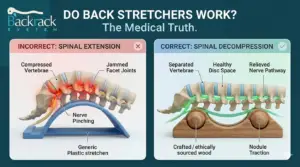
It can also help to understand the back stretcher benefits and how simple stretching tools differ from structured decompression devices.

Can Spinal Decompression Help Lower Left Back Pain?

Spinal decompression may help some people when lower left back pain is mechanical. This means the pain may be linked to posture, spinal compression, disc pressure, stiffness, or muscle tension around the lower back.

A decompression-based approach may help reduce pressure through the spine, support better alignment, and encourage gentle mobility. It may be especially relevant when symptoms are related to long sitting, poor posture, disc irritation, or lower back stiffness.

However, spinal decompression is not appropriate for every type of lower left back pain.

It should not be used as a treatment for kidney stones, kidney infection, digestive problems, pancreatitis, gynecological conditions, pregnancy-related concerns, fever, trauma, or unexplained severe pain.

If you are not sure what is causing your symptoms, speak with a healthcare professional before using any decompression device.

For mechanical back discomfort, you may want to compare different spinal decompression options for lower back pain before choosing an at-home device.

Watch this short demo to see how the Backrack is used for gentle spinal decompression and mechanical back support.

Using Spinal Backrack for Mechanical Lower Back Support

Spinal Backrack’s spinal decompression device is designed to support controlled spinal decompression and back mobility as part of a conservative care routine.

It may be helpful for people whose lower left back pain is linked to posture, spinal stiffness, disc-related pressure, or mechanical stress through the lower back.

Use it gently and follow the instructions. Do not use any decompression device if your pain is sudden, severe, linked to trauma, or paired with fever, chills, urinary symptoms, abdominal pain, numbness, tingling, leg weakness, or bladder and bowel changes.

For mechanical back discomfort, Backrack can be used alongside better posture habits, gentle movement, and appropriate professional guidance.

FAQs About Lower Left Back Pain

Lower left back pain can come from muscle strain, ligament sprain, sacroiliac joint irritation, facet joint problems, herniated discs, sciatica, poor posture, or repeated lifting. It can also sometimes be linked to kidney stones, kidney infection, digestive issues, pancreatitis, gynecological conditions, or pregnancy-related changes.

You should seek medical help if the pain is severe, sudden, caused by trauma, or paired with fever, chills, vomiting, blood in the urine, painful urination, abdominal pain, numbness, leg weakness, unexplained weight loss, or loss of bladder or bowel control.

Yes. Pain from the left kidney can sometimes feel like lower left back pain or flank pain. Kidney stones and kidney infections may cause pain along with urinary symptoms, fever, chills, nausea, vomiting, or blood in the urine.

Yes. Sciatica can cause left-sided lower back pain that travels into the left buttock, thigh, calf, or foot. It may also cause numbness, tingling, burning pain, or weakness. If symptoms are worsening or affecting walking, seek medical advice.

If the pain seems muscular and there are no warning signs, gentle walking, heat or ice, light stretching, posture changes, rest from painful activities, and gradual strengthening may help. If symptoms persist, worsen, or come with other concerning signs, get medical care.

Spinal decompression may help when lower left back pain is mechanical, such as pain linked to posture, spinal stiffness, disc pressure, or muscle tension. It is not appropriate for pain caused by kidney problems, infection, abdominal conditions, trauma, or unexplained severe symptoms.

The Ultimate Treatment of Lower Left Back Pain

If you want to treat lower left back pain, try the Spinal Backrack spinal decompression device. Treat your lower left back pain once and for all with this unique technology, which uses only your own body weight to provide long-term pain relief, making it 100% natural. Thousands of people have claimed back their pain-free life, so why not be one of them?

Managing Lower Left Back Pain Safely

Lower left back pain is common, but it should not be treated as one single condition. Many cases come from muscles, joints, posture, discs, or nerves and may improve with conservative care. Other cases may involve the kidney, digestive system, reproductive organs, or another medical issue.

Pay attention to where the pain is, how it feels, what makes it better or worse, and whether other symptoms are present.

If the pain is mild and mechanical, gentle movement, posture changes, stretching, strengthening, and decompression-based support may help. If the pain is severe, sudden, persistent, or accompanied by warning signs, seek medical advice before trying home treatment.

Support Mechanical Lower Back Pain with Backrack

If your lower left back pain is linked to posture, stiffness, or mechanical spinal pressure, these Spinal Backrack options may help support gentle decompression and lower back mobility.

Get Your Personalized Spinal Recovery Plan

Unsure which protocol you need? Select your symptoms for a clinical recommendation.