
Chronic pain often presents a complex clinical picture. While muscular strain and inflammation are commonly addressed, hidden postural dysfunction is frequently overlooked as a root cause. Subtle imbalances in spinal alignment, pelvic tilt, or muscular compensation patterns can create long-term stress on joints and tissues, fuelling persistent discomfort. For healthcare professionals, understanding how to detect and address these postural issues is crucial to delivering effective, long-term relief for chronic pain patients.
Postural dysfunction refers to deviations from optimal body alignment that place excess stress on the musculoskeletal system. When these issues are minor or compensated for by stronger muscle groups, they often go unnoticed during routine assessments, but they can still cause chronic pain, particularly in the back, neck, hips, and shoulders.
Common signs include:
Forward head posture
Uneven shoulders or hips
Excessive lumbar lordosis or thoracic kyphosis
Pelvic rotation or tilt
Leg length discrepancies
Altered gait or weight shifting during walking or standing
These subtle postural changes can lead to uneven joint loading, spinal compression, and muscular fatigue—all of which contribute to long-term pain.
Thorough assessment is the first step. While visual inspection and palpation are helpful, combining multiple methods provides a more complete view of the patient’s posture and movement patterns.
Key assessment strategies include:
Static posture analysis: Observe the patient standing and sitting from multiple angles. Note asymmetries, spinal curvature, and alignment of the head, shoulders, pelvis, and knees.
Functional movement tests: Watch how the patient performs common movements (e.g. squatting, walking, reaching). Compensation or limited mobility often reveals hidden dysfunction.
Postural grid photos or software: Capture static images of the patient to track changes over time.
Palpation and muscle testing: Evaluate muscle tone, tension, and strength imbalances, particularly in the core and deep spinal stabilisers.
Spinal decompression testing: Light traction or use of decompression tools like the Backrack can help uncover areas of compression that may not show in a static posture.
Poor posture creates cumulative stress on the body. Over time, this leads to:
Disc compression (especially at L4-L5 and L5-S1)
Facet joint irritation
Nerve impingement, contributing to sciatica or radiculopathy
Chronic muscle tension and trigger points
Reduced blood flow and oxygenation of soft tissues
Many patients with postural issues report recurring pain despite physiotherapy, exercise, or medication. Until the mechanical dysfunction is corrected, symptoms often return.
Once postural issues are identified, the goal is to restore natural alignment, retrain movement patterns, and decompress the spine.
Best practices include:
Spinal decompression therapy
Using non-invasive tools like the Spinal Backrack, clinicians can help realign the spine and relieve pressure on discs and nerves. This allows muscles to rebalance naturally without overcompensating.
Core strengthening and neuromuscular re-education
Training the deep abdominal, pelvic floor, and spinal stabiliser muscles ensures the spine is supported and less vulnerable to dysfunction. Incorporate exercises such as bird-dogs, dead bugs, and pelvic tilts.
Postural correction exercises
Gentle postural retraining (wall angels, chin tucks, scapular retraction) can help bring awareness to alignment and gradually correct faulty patterns.
Manual therapy and mobilisation
Soft tissue release, myofascial work, or gentle spinal mobilisation may be necessary to restore mobility and reduce muscular imbalances that drive dysfunction.
Education and habit change
Teach patients how to maintain proper alignment during sitting, standing, and sleeping. Use ergonomic supports when necessary.
Ongoing reassessment
Track changes in alignment, pain levels, and function over time. Adjust interventions as needed.
Identifying and correcting hidden postural dysfunction is often the missing piece in chronic pain treatment. For long-term results, clinicians must go beyond symptom management and address the root biomechanical causes of pain. By using a combination of visual assessment, decompression therapy, postural retraining, and patient education, it’s possible to dramatically improve both posture and quality of life for those living with chronic pain.
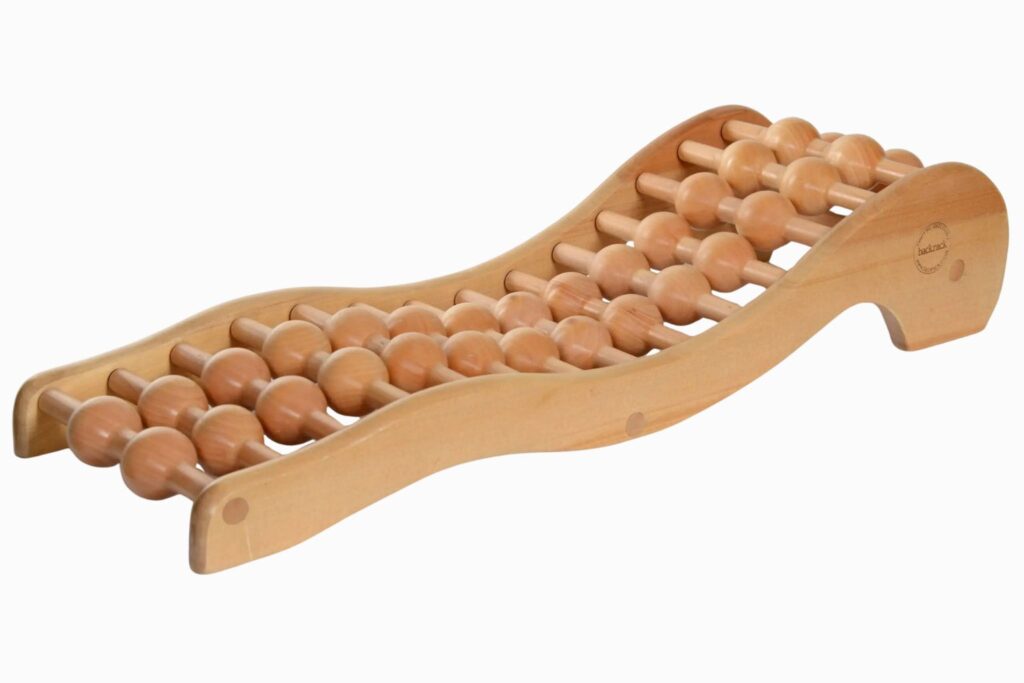
Gently decompresses your spine to target a root cause of back pain, not just the symptoms. Backed by 45+ years of clinical experience.
"The Backrack has been a game changer for my lower back pain. I use it every day!"
Verified Buyer
Gently decompress the spine help relieve pressure and pain
Safe, simple, and effective - use it anytime, anywhere
Short, consistent sessions can make a big difference.
Made with premium materials for long term durability.
See all reviews
Read hundreds of reviews from people just like you.
14-Day Retrurns
No hassle. Oure peace of mind
Free Shipping
US & UK, delivered within 3 days
Secure Checkout
Safe & encrypted payments
Results may vary. Not suitable for everyone (see contradictions). Consult your healthcare professional before use if you have a medical condition.