Best Spinal Decompression Device of 2026: What to Look For Before You Buy
Published on
If you’re searching for the best spinal decompression device, chances are you’re dealing with stiffness, lower back pressure, sciatica-like symptoms, or that “compressed” feeling that doesn’t fully go away.
Which device actually works?
Is an inversion table better? Are traction systems worth it? What is the safest option for home use?
This guide will walk you through exactly what to look for, how different device types compare, and which option makes the most sense for everyday use.
What Makes the Best Spinal Decompression Device?
Not all decompression devices are created equal.
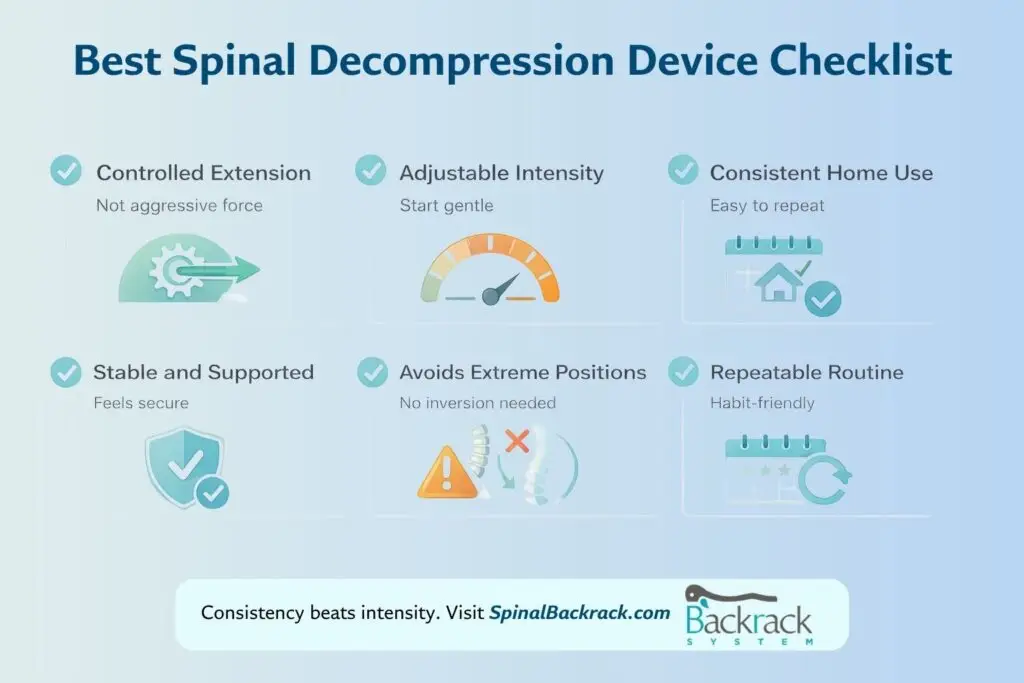
The best spinal decompression device should allow you to:
Apply controlled extension, not aggressive force
Adjust intensity gradually
Use it consistently at home
Feel stable and supported
Avoid extreme positions
Build a repeatable routine
Many people think the stronger the stretch, the better the result, but that is not always true.
In reality, the best at-home spinal decompression device is usually one you can use gently, frequently, and without fear.
Consistency matters more than intensity.
Types of At-Home Spinal Decompression Devices Compared
Let’s break down the main categories.
1. Inversion Tables
Price range: $120-$500
Inversion tables suspend you upside down to use gravity for spinal traction.
Pros:
Strong decompression force
Adjustable angle
Widely available
Cons:
Can feel intense or intimidating
Not ideal for people with blood pressure issues
Large footprint
Hard to use daily for many people
Inversion works for some users, but it is not always the safest spinal decompression device for beginners.
2. Traction Devices (Belts and Door Systems)
Price range: $80-$300
These use straps or harnesses to pull the spine in a controlled direction.
Pros:
More controlled than inversion
Compact
Moderate intensity
Cons:
Can feel uncomfortable
Hard to fully relax during use
Often used temporarily, not daily
Traction systems can help, but they are sometimes less practical for long-term consistency.
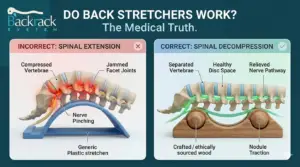
3. Foam Back Stretchers
Price range: $20-$60
These are curved plastic or foam arches placed under the back.
Pros:
Affordable
Lightweight
Easy to store
Cons:
Limited support
Can feel unstable
Not very durable
Often too aggressive for beginners
Foam arches are common starter tools, but many people outgrow them quickly.
4. Structured Spinal Decompression Devices
Price range: $150-$400
This category includes solid, structured devices designed to support controlled spinal extension without full inversion.
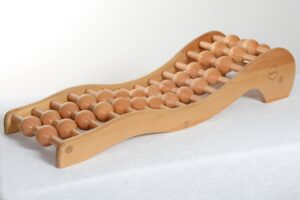
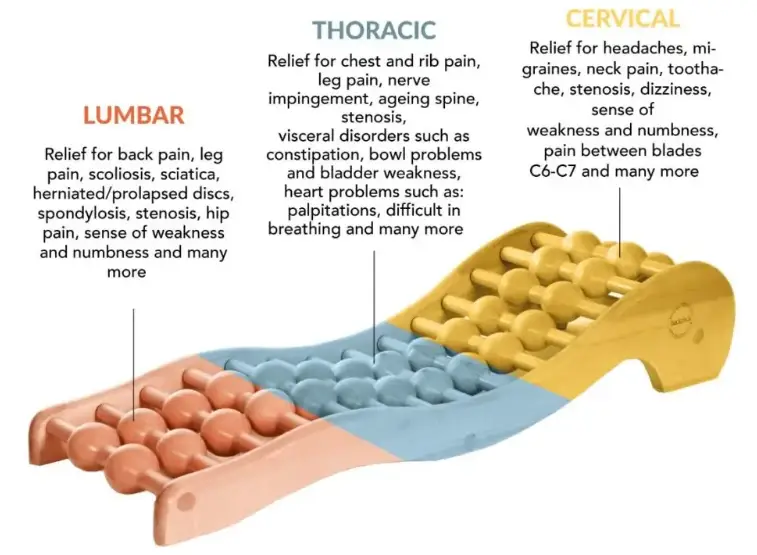
Some structured wooden systems, like the Backrack spinal decompression device, are designed for gentle, repeatable decompression sessions at home.
Pros:
Controlled extension
Stable and supportive
Designed for repeatable daily use
Moderate intensity
Cons:
Higher upfront cost than foam devices
Requires learning proper positioning
For many people looking for the best spinal decompression device for home use, this category offers the best balance of safety and effectiveness.
Spinal Decompression vs Inversion Table vs Traction
Here’s a simplified comparison:
Feature
Inversion Table
Traction Device
Structured Device
Intensity
High
Moderate
Controlled
Beginner Friendly
Moderate
Moderate
High
Daily Use
Hard for some
Limited
Easy
Stability
High
Moderate
High
Space Required
Large
Small
Small
Long-Term Routine
Difficult
Moderate
Practical
If you want something you can use consistently without extreme positions, structured devices often win.
Best Spinal Decompression Device for Sciatica and Lower Back Pain
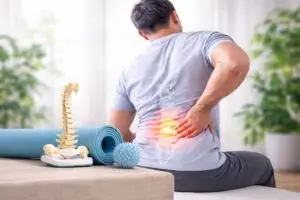
Many people searching for the best spinal decompression device are dealing with:
Sciatica patterns
Disc-related compression
Stiffness after sitting
Lower back tightness
A device that allows gentle, controlled extension may help reduce that “compressed” feeling when used consistently.
However, decompression is not for everyone.
If symptoms include:
New or worsening leg weakness
Difficulty lifting the foot
Loss of bladder or bowel control
Severe escalating pain
You should seek medical evaluation first.
Safe spinal decompression at home starts with knowing when not to push it.
If you’re unsure whether decompression is right for you, read our guide on who spinal decompression is best for and when it may not be appropriate.
How to Choose the Best Spinal Decompression Device for Home Use
Before buying, ask yourself:
Can I tolerate gentle back extension?
Do I want something I can use 3-5 times per week?
Do I prefer gradual progression rather than intense stretching?
Do I have space for large equipment?
Am I looking for a non surgical spinal decompression device?
The best spinal decompression device is one that fits your lifestyle, not just your symptoms.
£300.00Select options
This product has multiple variants. The options may be chosen on the product page
For people looking for a balanced, repeatable, and controlled decompression routine at home, structured devices stand out.
The Backrack spinal decompression device meets the criteria we outlined:
Stable wooden construction
Designed for controlled extension
No inversion required
Easy to build a consistent routine
Suitable for most home environments
Rather than relying on extreme angles or aggressive traction, it focuses on controlled positioning and repeatable sessions.
If your goal is to find the best spinal decompression device that supports long-term habits rather than short bursts of intensity, this approach often makes the most sense.
If you’re comparing options and want something practical for daily use, you can learn more about the Backrack spinal decompression device and see how it supports controlled spinal unloading at home.
The best spinal decompression device for home use is one that allows controlled extension, is stable, and can be used consistently without extreme positions.
It may help certain sciatica patterns, but worsening neurological symptoms should be evaluated by a healthcare professional.
How to Confidently Pick the Best Spinal Decompression Device
If you’re trying to decide on the best spinal decompression device, focus less on intensity and more on consistency, control, and safety.
The device you can use regularly and comfortably will almost always outperform the one that looks the most dramatic.
For many people seeking a practical, non surgical spinal decompression device for home use, structured systems like the Backrack offer the best balance of stability and repeatability.
Sign up our newsletter to get article update about backrack therapy.
Fill out the form, and we’ll get back to you within 24 hours with more details!
We use cookies to ensure that we give you the best experience on our website. If you continue to use this site we will assume that you are happy with it.