Many riders are surprised when they begin experiencing sciatica from horse riding, especially when the pain radiates down one leg after a long ride. Riding often looks smooth and controlled from the outside, but inside your body a lot of work is happening. Your spine, pelvis, and core muscles constantly stabilize you through every stride. Over time, these repetitive forces can irritate the sciatic nerve and create discomfort that affects both riding performance and everyday life.
This guide explains why sciatica is so common among riders, which symptoms to watch for, and how to relieve sciatic nerve pain naturally at home. It also includes expert insights, practical tips, and gentle strategies that riders can use to feel more comfortable in the saddle.
What Exactly Is Sciatica?
Sciatica starts when the sciatic nerve gets irritated or squeezed. This large nerve runs from the lower back through the hips and glutes, then down each leg. When it becomes inflamed, riders may experience:
- sharp or shooting pain
- radiating pain down the leg
- burning or tingling sensations
- numbness or weakness
- discomfort that worsens after sitting or riding
Many riders wonder, can horse riding cause sciatica? The answer is yes. The posture, pelvic movement, and repetitive impact of riding can all contribute to sciatic nerve irritation, especially if muscles are tight or imbalanced.
Why Sciatica From Horse Riding Is So Common
Riders often deal with a combination of posture challenges, core fatigue, and the natural motion of the horse. These factors make horse-riding sciatica more common than most people realize.
1. Pelvic Instability and Asymmetry
Your pelvis acts like the base of your entire posture while riding. It absorbs movement from the horse and helps keep your body balanced. When pelvic stability is poor, the lower back and glute muscles begin overworking. This can tighten the piriformis muscle, which sits directly over the sciatic nerve.
Many riders describe one-sided pain that increases after trotting, which is a common sign of sciatic nerve irritation.
2. Compression of the L4/L5 and L5/S1 Levels
The lower back absorbs a large amount of force during riding, especially at the L4/L5 and L5/S1 segments. When these areas experience increased pressure, irritation can occur at the nerve roots that form the sciatic nerve. This creates a direct link between sciatica from horse riding and lumbar compression.
Riders with weak deep core muscles tend to experience more of this compression because their lower back works harder to stabilize the body.
3. Tight Hip Flexors and Glute Muscles
Hip flexors often tighten from long periods of sitting and riding. When tight, they tilt the pelvis forward and increase pressure on the lower back. The deep glute muscles, including the piriformis, can also press against the sciatic nerve when they are overworked.
This combination explains why lower back pain while horse riding often progresses into radiating leg pain.
4. Poor Saddle Fit That Alters Spinal Alignment
Even small saddle alignment issues can shift your posture and strain the lower back. A saddle placed too far forward or backward forces the rider into an unnatural position. Over time, this increases nerve irritation.
If you feel discomfort primarily on certain horses or after changing saddles, saddle fit may be part of the cause.
5. Horse Gait Imbalance
Horses naturally favor one side. When the gait is uneven, riders compensate without noticing. This creates asymmetrical tension in the pelvis and lower back, which is a common trigger for sciatic nerve pain.
This explains why many riders feel discomfort on only one side.
Symptoms of Sciatica From Horse Riding
Riders may experience several symptoms, such as:
- sharp pain in the lower back or glute
- radiating pain down one leg
- tingling or numbness
- discomfort that increases during or after riding
- weakness when mounting or dismounting
- tension in the deep glute muscles
These symptoms often appear gradually and become more noticeable after longer sessions.
How to Relieve Sciatica From Horse Riding Naturally
There are several safe and effective ways to reduce sciatic nerve pain from riding. These strategies help release tight muscles, improve posture, and decrease pressure on the nerve.
1. Effective Stretches for Sciatica Relief
Daily stretching is one of the best ways to reduce nerve irritation. Recommended stretches include:
- Hip flexor stretch
- Piriformis stretch
- Knee-to-chest
- Child’s pose
- Cat and cow
- QL side stretch
These movements improve mobility through the hips and lower spine and are ideal for equestrian sciatica relief.
2. Strengthening the Deep Core
The deep core muscles support the lumbar spine and reduce strain during riding. When these muscles are strong, the lower back does not have to work as hard. Exercises like pelvic tilts, bird dog, and dead bug help build core stability.
3. Improving Riding Posture and Pelvic Alignment
Small posture adjustments can significantly reduce pressure on the sciatic nerve. Riders benefit from:
- maintaining a neutral pelvis
- avoiding lower back bracing
- relaxing the upper body
- allowing the hips to absorb movement naturally
Better alignment protects the spine and reduces nerve irritation.
4. Checking Saddle Fit
Correct saddle alignment improves spinal posture. Riders should check:
- seat width
- saddle placement
- stirrup length
- horse symmetry
Correcting these factors may reduce both lower back tension and sciatic pain.
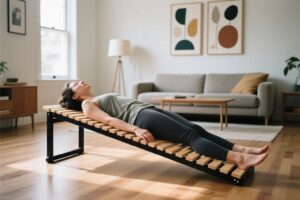
5. Natural Sciatica Relief at Home With Lumbar Decompression
Many riders look for natural sciatica relief at home, especially when pain increases after riding. Gentle spinal decompression reduces pressure on the lower back and nerve roots.
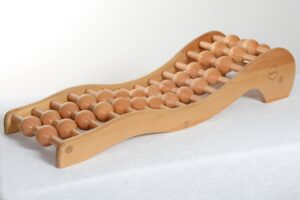
A tool like the Backrack can help decompress the spine without medication or manual therapy. It is designed to support proper spinal alignment and reduce nerve irritation by opening space between the vertebrae. Many riders use it regularly to ease stiffness and tension after riding.
This approach provides lumbar decompression for riders in a safe and controlled way.
When to Seek Professional Help
Seek medical advice if you experience:
- severe pain
- numbness or weakness
- symptoms lasting longer than a few weeks
- significant movement restrictions
- loss of coordination
These may be signs of more advanced nerve compression.
Expert Tips to Prevent Sciatica From Horse Riding
- Warm up before every ride
- Stretch after riding
- Build deep core strength
- Maintain proper saddle fit
- Strengthen hips and glutes
- Improve horse gait symmetry
- Use decompression tools for recovery
These habits reduce the likelihood of sciatic nerve irritation and help riders stay comfortable long-term.
Take Care of Your Spine and Reduce Sciatica From Horse Riding
If you want to stay strong, balanced, and confident in the saddle, taking care of your spine is essential. Sciatica from horse riding does not have to be a long-term struggle. With a mix of stretching, better posture habits, stronger core engagement, and natural decompression, most riders can relieve tension and protect their lower back.
Many riders choose gentle at-home spinal support tools, such as the Backrack, to reduce pressure and restore comfort after long sessions. Small, consistent steps can make a meaningful difference in how you feel both on and off the horse.
Frequently Asked Questions (FAQ)
Yes. Sciatica from horse riding can develop due to repeated spinal compression, pelvic movement, posture fatigue, and tight or imbalanced muscles. Over time, these factors may irritate the sciatic nerve, especially when recovery and alignment are not addressed.

Riders often experience sharp or shooting pain in the lower back or glute, discomfort that travels down one leg, tingling or burning sensations, and pain that worsens after riding or prolonged sitting.
Horses naturally favor one side, and riders compensate without realizing it. This creates uneven loading in the pelvis and lower back, which commonly leads to one-sided sciatic nerve irritation.
The most effective approach includes regular stretching, strengthening the deep core, improving riding posture, checking saddle fit, and using gentle spinal decompression to reduce pressure on the sciatic nerve.
Mild symptoms can often be managed with proper recovery and posture adjustments. However, severe pain, numbness, or weakness should be evaluated by a healthcare professional before continuing to ride.
Support Your Back and Reduce Sciatica From Horse Riding at Home
-

Backrack™ – Spinal Decompression Device
£300.00 Select options This product has multiple variants. The options may be chosen on the product page -

Backrack and Backrack Lumbar Belt Combo Offer
£350.00 Select options This product has multiple variants. The options may be chosen on the product page