Is Walking Good for a Compressed Spine?
Walking can indeed be beneficial for a compressed spine. However, walking alone alone may not be enough to treat a compressed spine. It would help if you also considered other treatment options.

Walking can indeed be beneficial for a compressed spine. However, walking alone alone may not be enough to treat a compressed spine. It would help if you also considered other treatment options.

Strengthening your back and core muscles can help improve back pain symptoms, as there is less stress placed on the spine.

While degenerative spine changes cannot be reversed, the symptoms they cause can be effectively managed to improve quality of life.

Spinal facets are surfaces where two spinal bones meet and are joined by a type of synovial joints called facet joints.

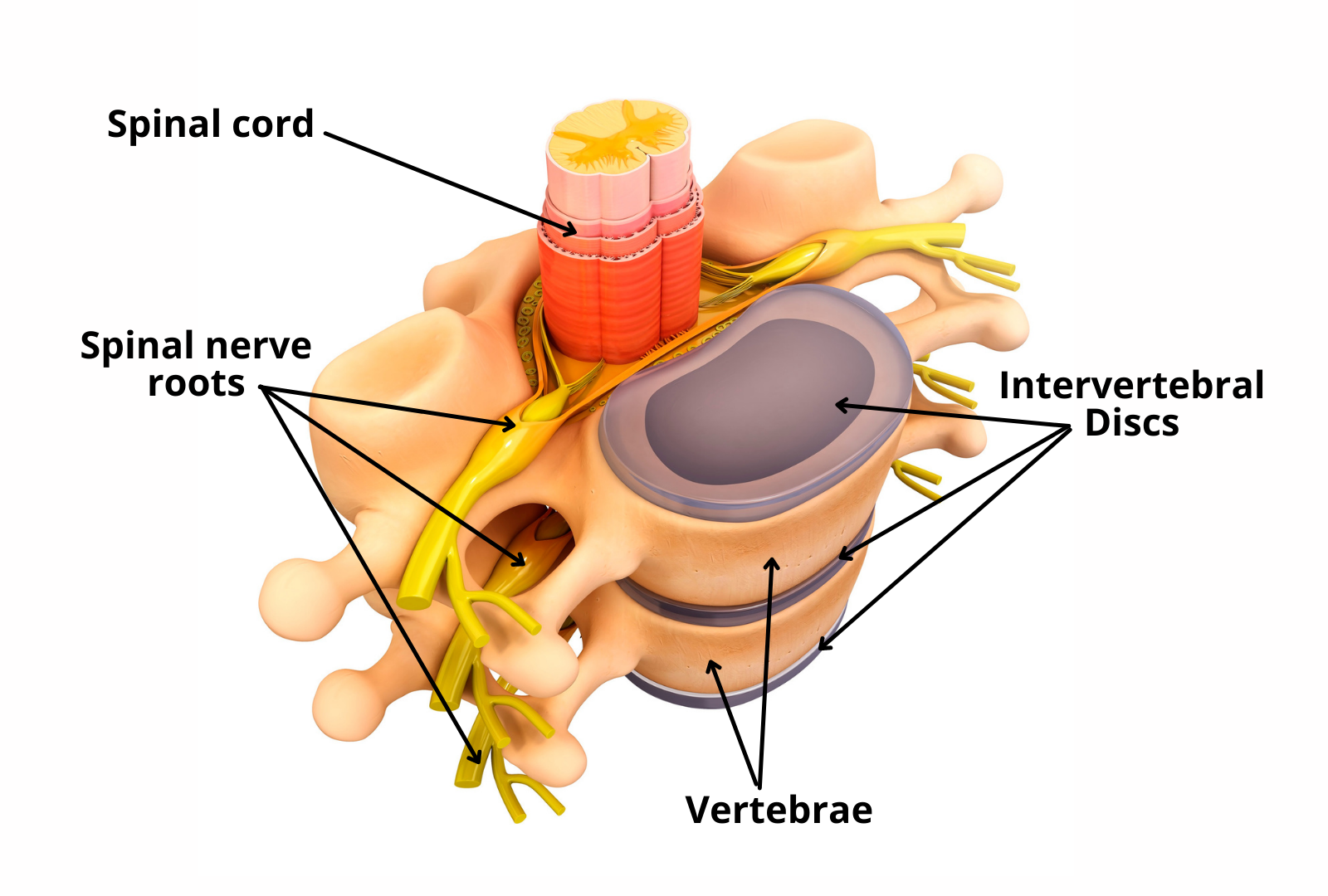
Myelopathy refers to a condition known as spinal cord compression, while radiculopathy occurs when a nerve root (but not the cord itself) becomes compressed. The latter is more commonly known as a pinched nerve root.

The term ‘spondylosis’ refers to degenerative changes that occur in the spine due to aging and which tend to lead to pain. When this wear and tear process affects the thoracic spine, it is referred to as thoracic spondylosis.

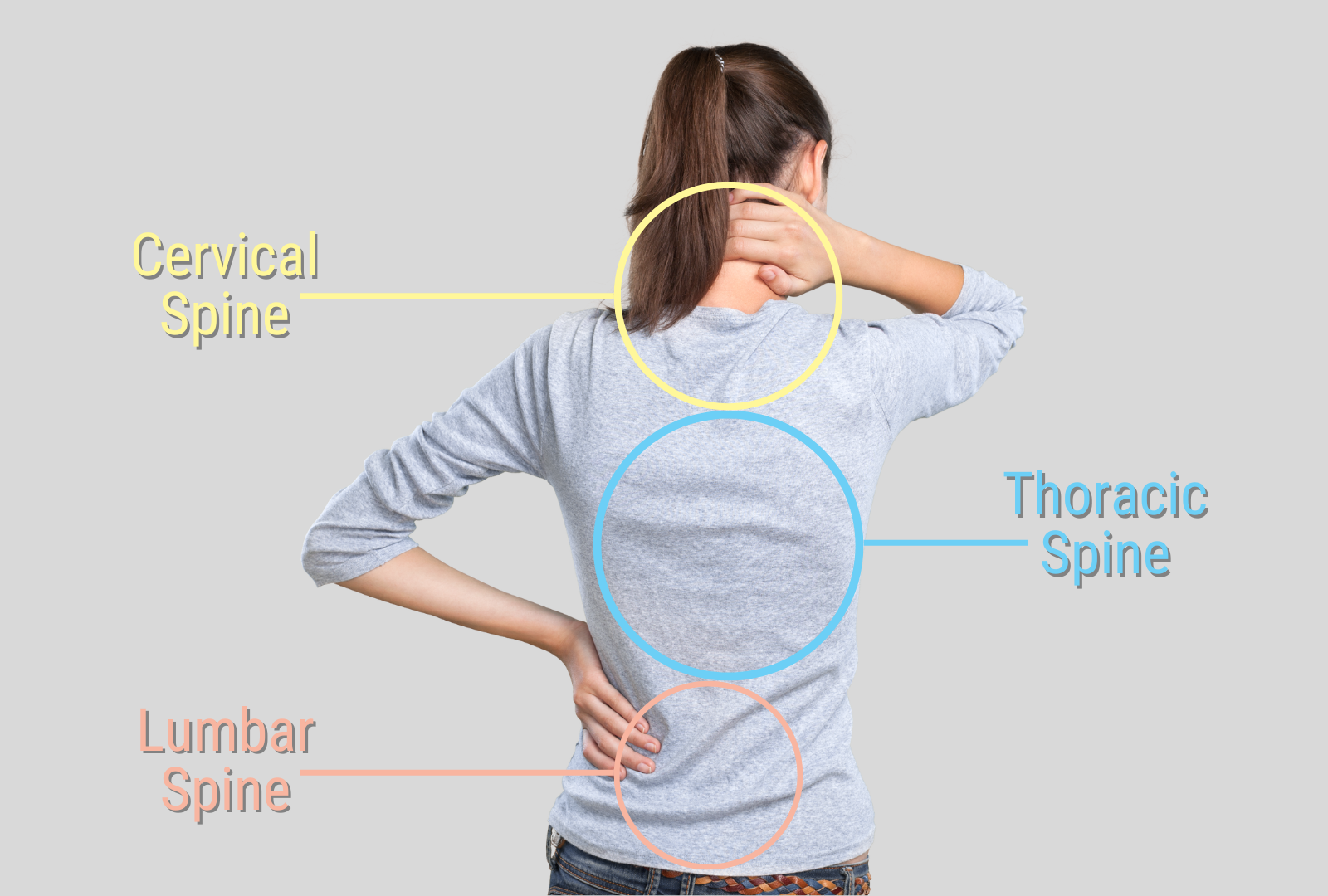
The three major back pain zones are the cervical spine, the thoracic spine and the lumbar spine, corresponding to the neck, mid back and lower back, respectively.

Spinal decompression therapy can be defined as a treatment modality that stretches out your spine and reverses the process of spinal compression. There are two main categories of treatment: surgical spinal decompression and nonsurgical spinal decompression. The latter can be performed from the comfort of your own home by using a special orthopaedic device called the Spinal Backrack.

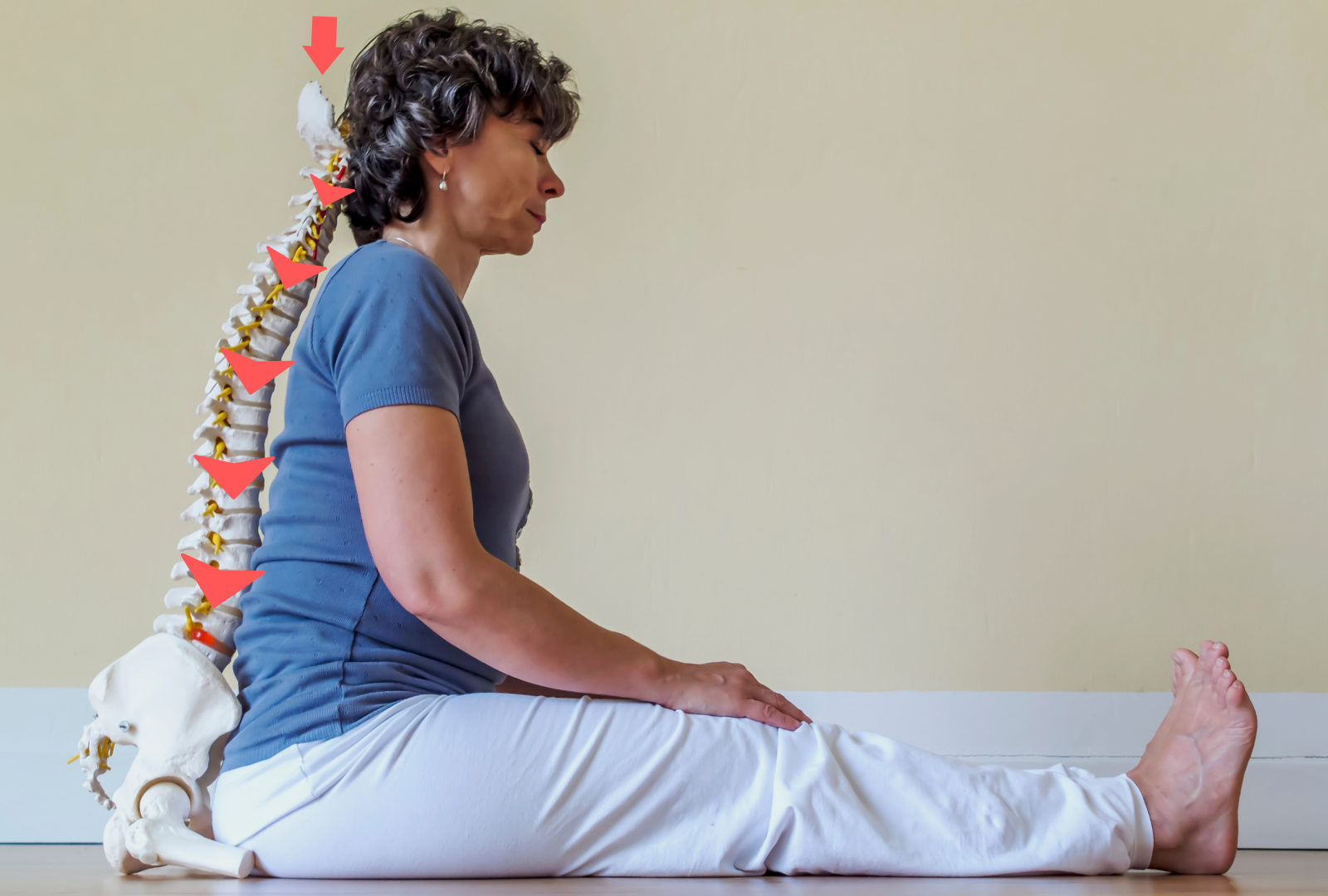
Spinal compression develops gradually with the passage of time and it is mostly caused by aging and repeated strain placed on our backs from daily activities, as well as excessive weight. It can lead to various spinal problems, including herniated discs, pinched nerves, and spinal stenosis, among many others.

Nerve compression syndrome in the back occurs when a nerve that passes through the spinal column becomes trapped due to conditions such as spinal stenosis, herniated discs and poor posture.

Your spine can become compressed mostly due to a natural process of wear and tear, where the bone mass is being worn out by continuous movement.

If you want to go for a non-invasive yet effective method of treating back pain, that you can use in your own time, from the comfort of your own home, you have to take a look at the Backrack technology.