
Spinal Decompression
Preventing Spinal Degeneration
Strategies for Healthy Aging Spinal degeneration is a common issue as we age, leading to discomfort, reduced mobility, and various spinal conditions such as osteoarthritis,

Strategies for Healthy Aging Spinal degeneration is a common issue as we age, leading to discomfort, reduced mobility, and various spinal conditions such as osteoarthritis,
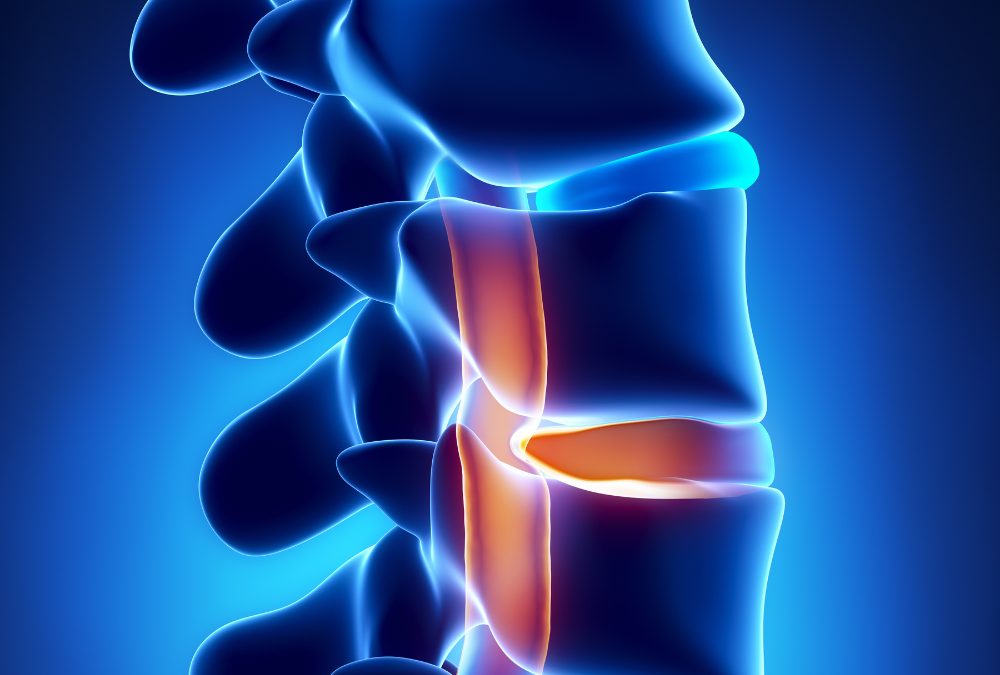
Spinal canal stenosis is a condition involving the narrowing of the spinal canal, the protective passage that houses the spinal cord and nerve roots.

While various treatment options exist, incorporating effective exercises for spinal stenosis relief into your routine can help alleviate symptoms of spinal stenosis.
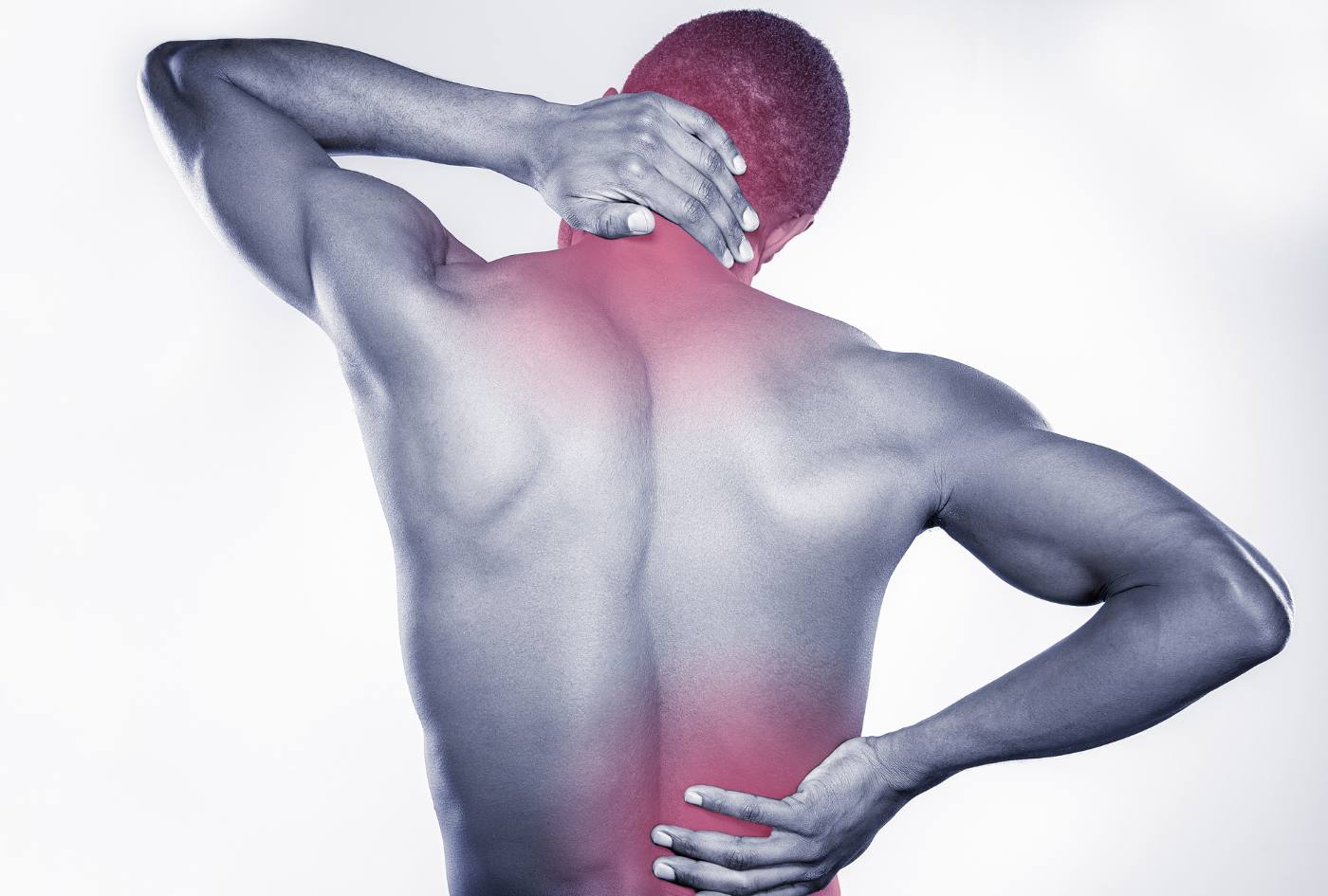
When spinal stenosis is getting worse, some symptoms such as severe pain, stiffness and loss of sensation may occur. To treat it, natural options such as exercising, stretching and physiotherapy may sometimes be helpful. However, there are even better approaches that are still non-invasive.

If you’re wondering what is the best treatment for spinal stenosis, the answer would be something that causes as little side effects as possible, while also being highly effective, such as spinal decompression therapy with the Backrack.
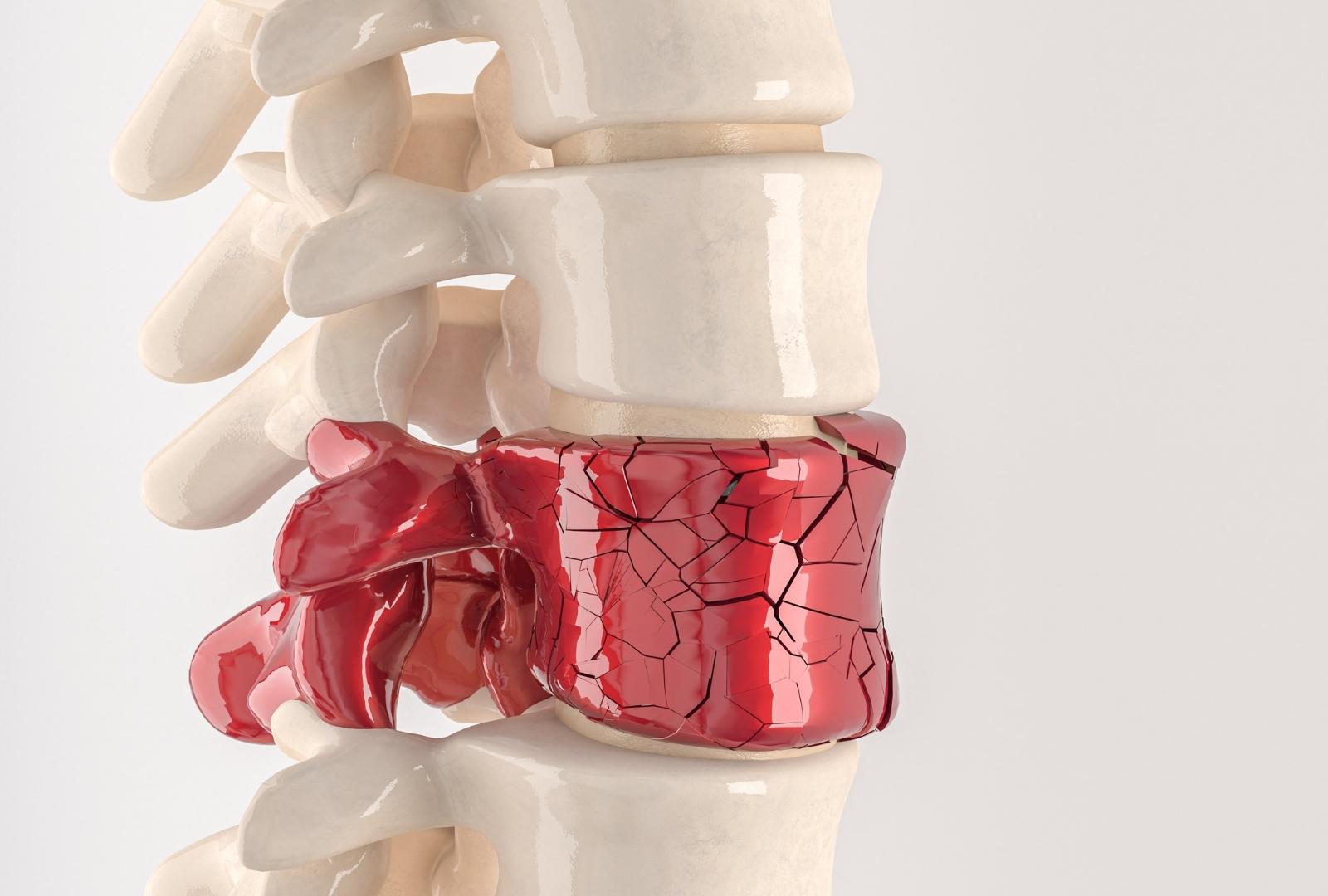
Typically, milder cases of isthmic spondylolisthesis can be addressed without surgery, whereas more severe cases might require surgical treatments.

Back and neck pain that occurs due to spinal stenosis can be alleviated through exercises that decompress the region of the spine where the stenosis is present.
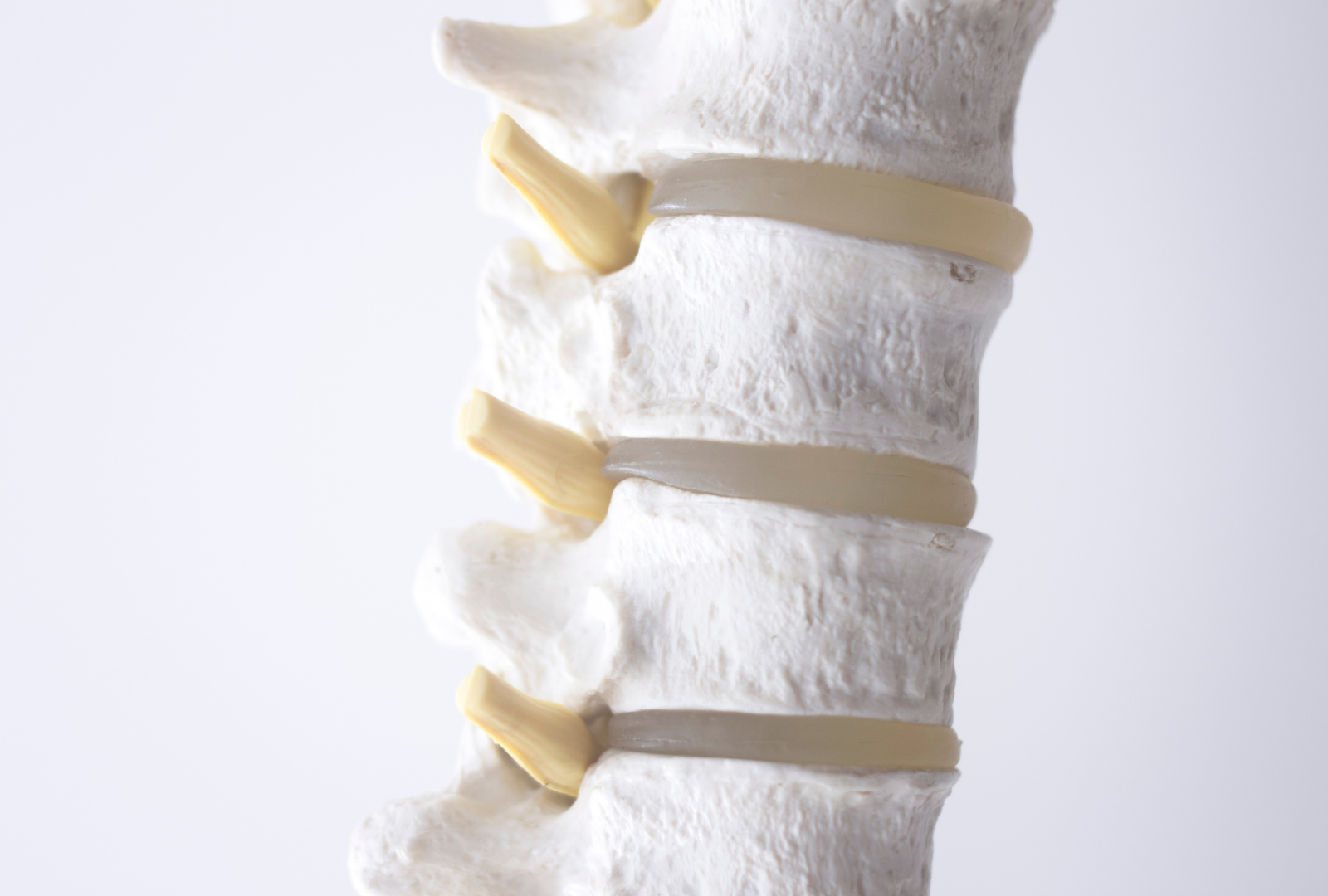
This condition can severely impact the quality of life of the sufferer, and if left untreated can worsen and lead to painful complications that are discussed in more detail within this article.
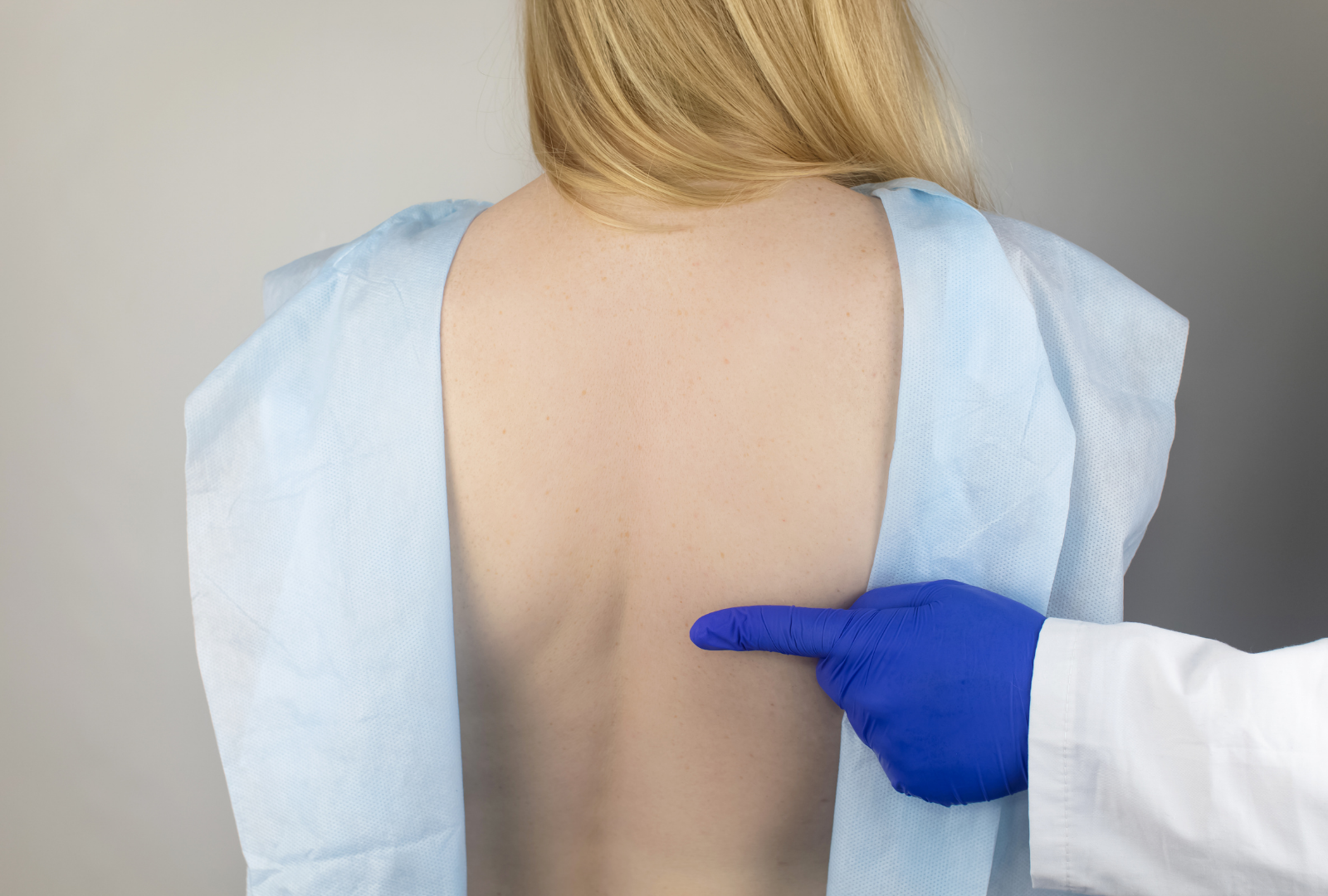
Spondylolisthesis may sometimes be difficult to diagnose as some of its symptoms tend to overlap with those of spinal stenosis.

Disc space narrowing is known as Spinal Stenosis. The narrowing in your spine can put pressure on the nerves traveling through your spine.

Spondylolisthesis is a pathological condition in which a vertebra slips out of its normal anatomical place on to the adjacent vertebra present lower to it.