Back pain
Upper Back Pain Causes, Symptoms and Treatment
Upper back pain is a common problem that affects many individuals, often resulting from various underlying causes. To treat it, there are various non-invasive options to choose from.

Upper back pain is a common problem that affects many individuals, often resulting from various underlying causes. To treat it, there are various non-invasive options to choose from.

Some simple stretches to relax the middle of your back and reduce pain can be performed with the help of the Spinal Backrack.

Some of the most common types of musculoskeletal problems that can occur along the spine and cause pain, stiffness and other symptoms include herniated discs, muscle strains and sprains, as well as kyphosis and scoliosis.

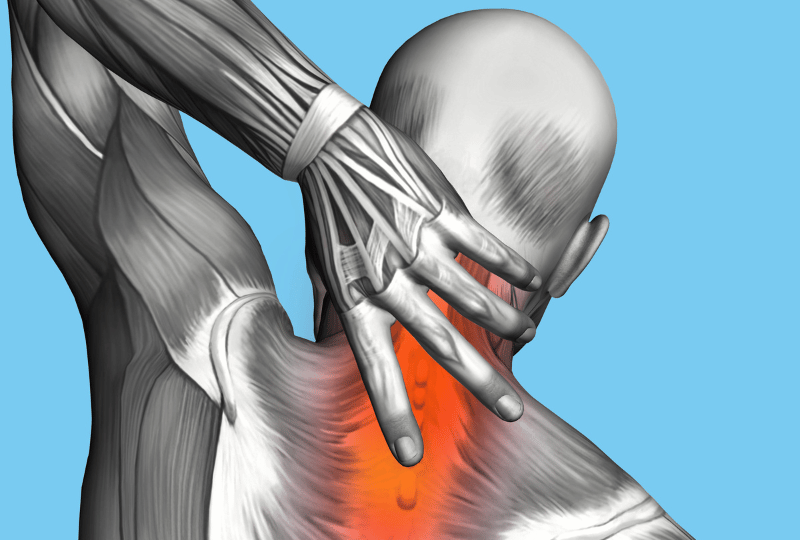
Thoracic pain can be dull, sharp, mild, severe, and sometimes it can feel like a burning sensation, and can also reduce your spinal range of motion.

A muscle strain in the back or neck is a type of injury that occurs when a particular muscle or tendon is placed under too much pressure and becomes overstretched or torn.

The vertebral column, also called the backbone, performs a few key functions, such as helping keep our torso upright, providing flexibility to the back, and housing the spinal cord and extension of the central nervous system, which connects the brain to various parts of the body.
Pilates for back pain can be beneficial not only for pain relief, but also for improving your spinal mobility and strength. The best way to get relief from back or neck pain with Pilates exercises is to combine them with the Backrack.

The term ‘spondylosis’ refers to degenerative changes that occur in the spine due to aging and which tend to lead to pain. When this wear and tear process affects the thoracic spine, it is referred to as thoracic spondylosis.
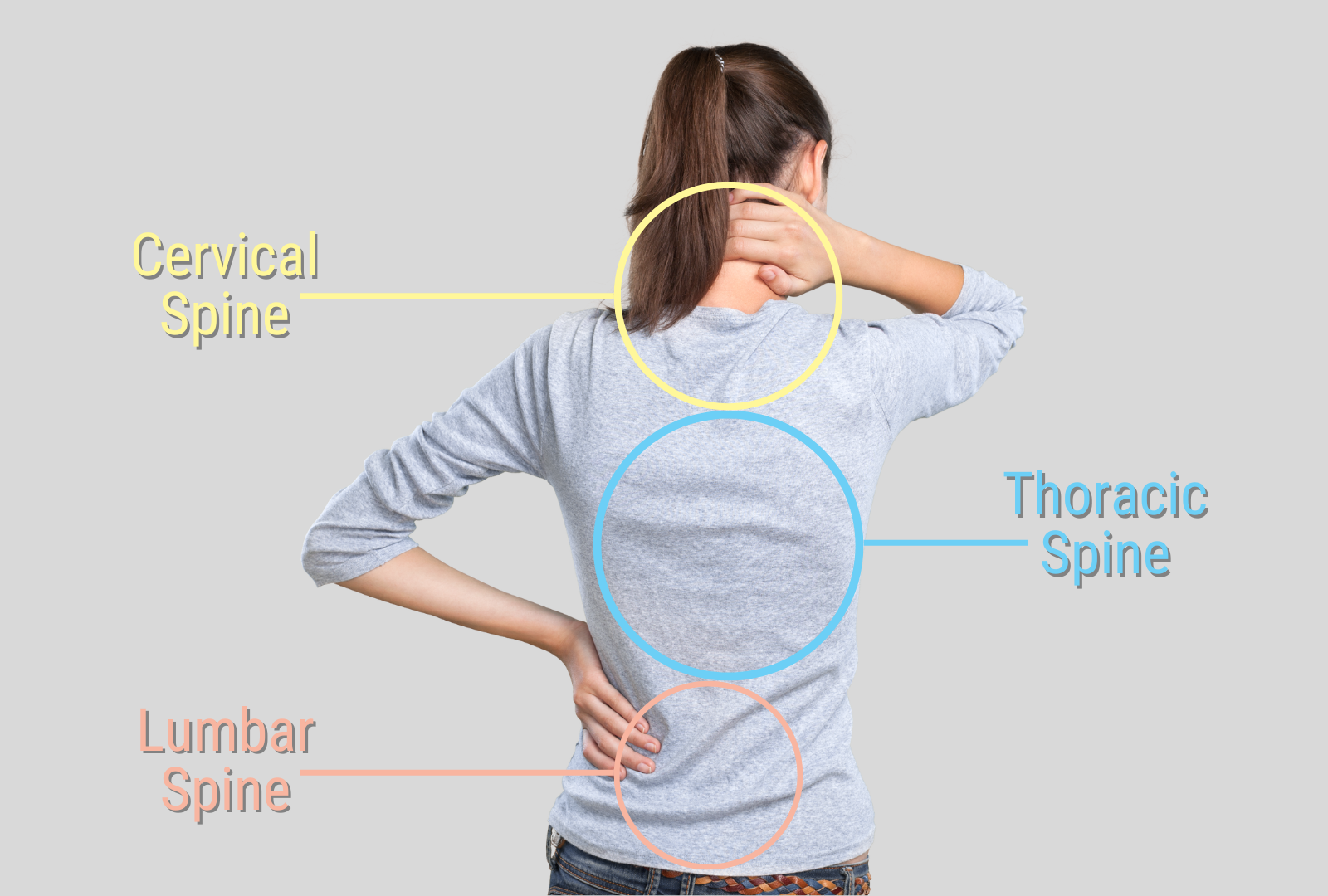
The three major back pain zones are the cervical spine, the thoracic spine and the lumbar spine, corresponding to the neck, mid back and lower back, respectively.

Short leg syndrome is a condition that is more commonly referred to as leg length discrepancy. People who suffer from SLS have an imbalance in the structure of their lower body, which can alter their posture and lead to leg, foot, hip, knee and back problems.

Referred pain is pain that is triggered in a specific part of the body, but you feel pain elsewhere, rather than at the local site of the triggering point.
When it comes to the spine, certain back and neck problems may cause referred pain to other parts of the body.

Spondylosis and Spondylolisthesis are both spinal conditions that have very similar names but are vastly different conditions. On one hand, Spondylosis is an umbrella term that describes degenerative spine conditions. On the other hand, Spondylolisthesis refers to the process where a vertebra slips out of its place.