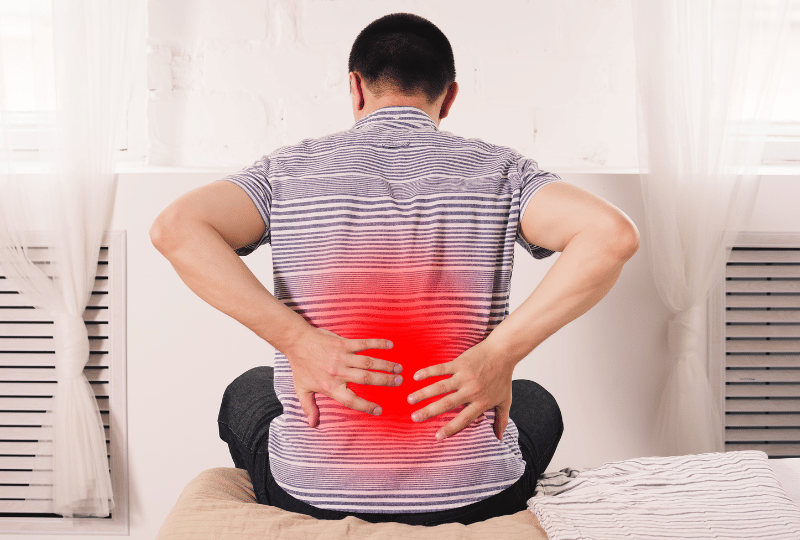
Natural Pain Relief for Spine Problems – What You Need to Know
Understanding the link between spine conditions causing pain and the potential solutions for natural pain relief is essential for your well-being.

Understanding the link between spine conditions causing pain and the potential solutions for natural pain relief is essential for your well-being.

Stretching your back is among the best practices for back pain prevention, as it allows your back to relax and it increases mobility. Here is how to do it effectively.

Excessive weight can have a negative impact on spinal health and spinal wellness, leading to discomfort, pain, and reduced mobility, among other other symptoms.

Stress and back pain are interconnected in a complex way, with stress often exacerbating existing pain or even being a direct cause of discomfort.

Alternative therapies for back pain relief can prove very effective as they often target the root cause of the problem, without creating complications.

To get a strong and flexible back, there are several steps one can take, including stretching, keeping active, and implementing lifestyle changes.

There are several coping strategies for chronic back pain that you can try from home to relieve the pain and discomfort that occur.

There are various non-invasive ways to treat chronic back pain from home, including targeted exercises, heat or ice therapy, as well as lifestyle changes.

Upper back pain is a common problem that affects many individuals, often resulting from various underlying causes. To treat it, there are various non-invasive options to choose from.

Some simple stretches to relax the middle of your back and reduce pain can be performed with the help of the Spinal Backrack.

Some of the most common types of musculoskeletal problems that can occur along the spine and cause pain, stiffness and other symptoms include herniated discs, muscle strains and sprains, as well as kyphosis and scoliosis.

Thoracic pain can be dull, sharp, mild, severe, and sometimes it can feel like a burning sensation, and can also reduce your spinal range of motion.
Unsure which protocol you need? Select your symptoms for a clinical recommendation.