Can sciatica lead to lower back and hip pain?
Nerve compression syndrome in the back occurs when a nerve that passes through the spinal column becomes trapped due to conditions such as spinal stenosis, herniated discs and poor posture.
Nerve compression syndrome in the back occurs when a nerve that passes through the spinal column becomes trapped due to conditions such as spinal stenosis, herniated discs and poor posture.

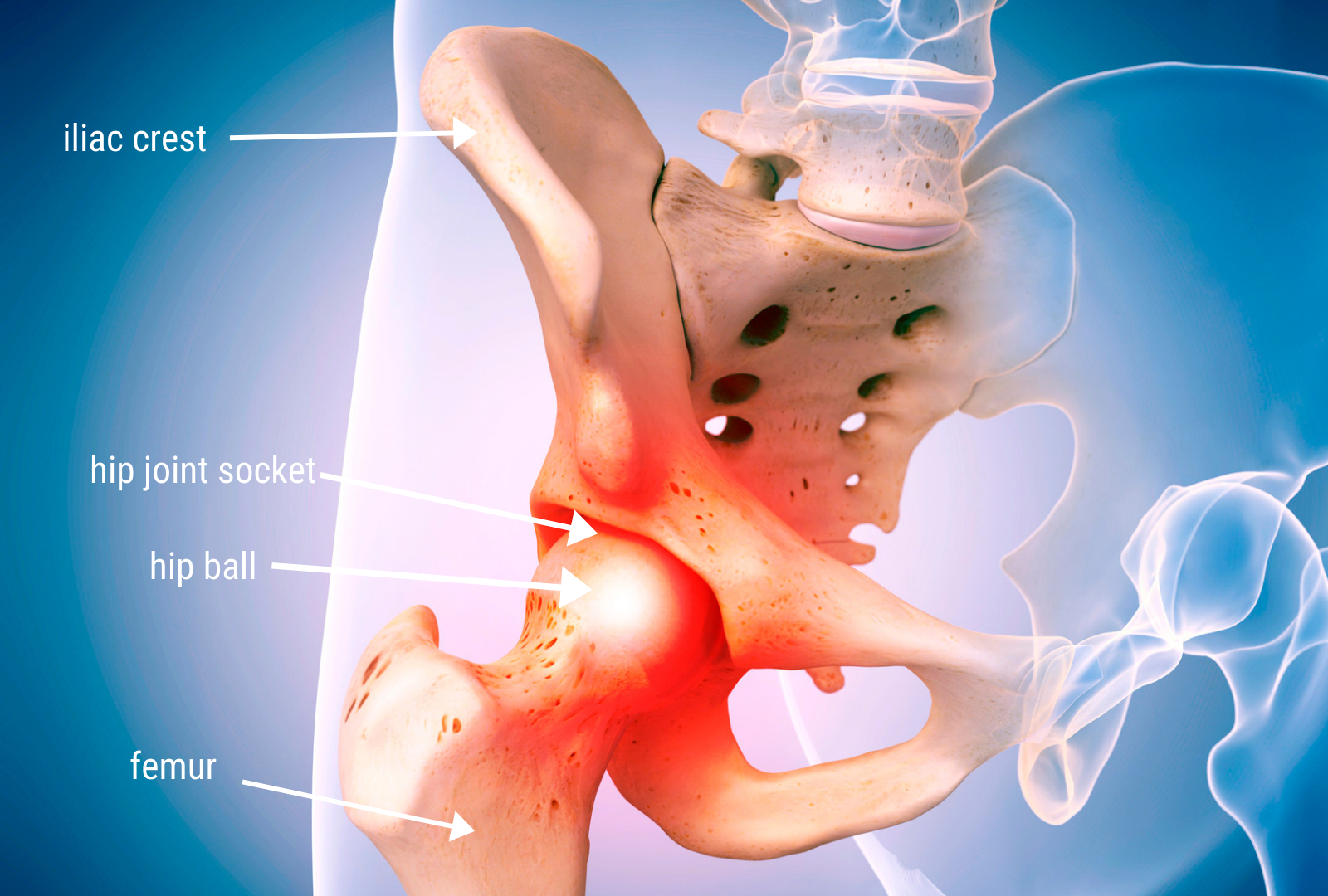
Hip pain can occur due to a variety of reasons. Among them are age, arthritis, bursitis, fractures and injury at the level of muscles, tendons or soft tissue.

The sciatic nerve can often become pinched and lead to pain. To stop the pain, one of the best solutions is to allow the nerve to be freed from its entrapment.
Lower back pain is one of the most common health problems in the world and it is a major cause of disabilities. It affects the

The tailbone, or coccyx, is a bony formation at the bottom of the spine. Tailbone pain (coccyx pain, Coccydynia, or Coccygodynia) is a painful experience

Sciatica pain tends to come and goes because the sciatic nerve is irritated in the long term.

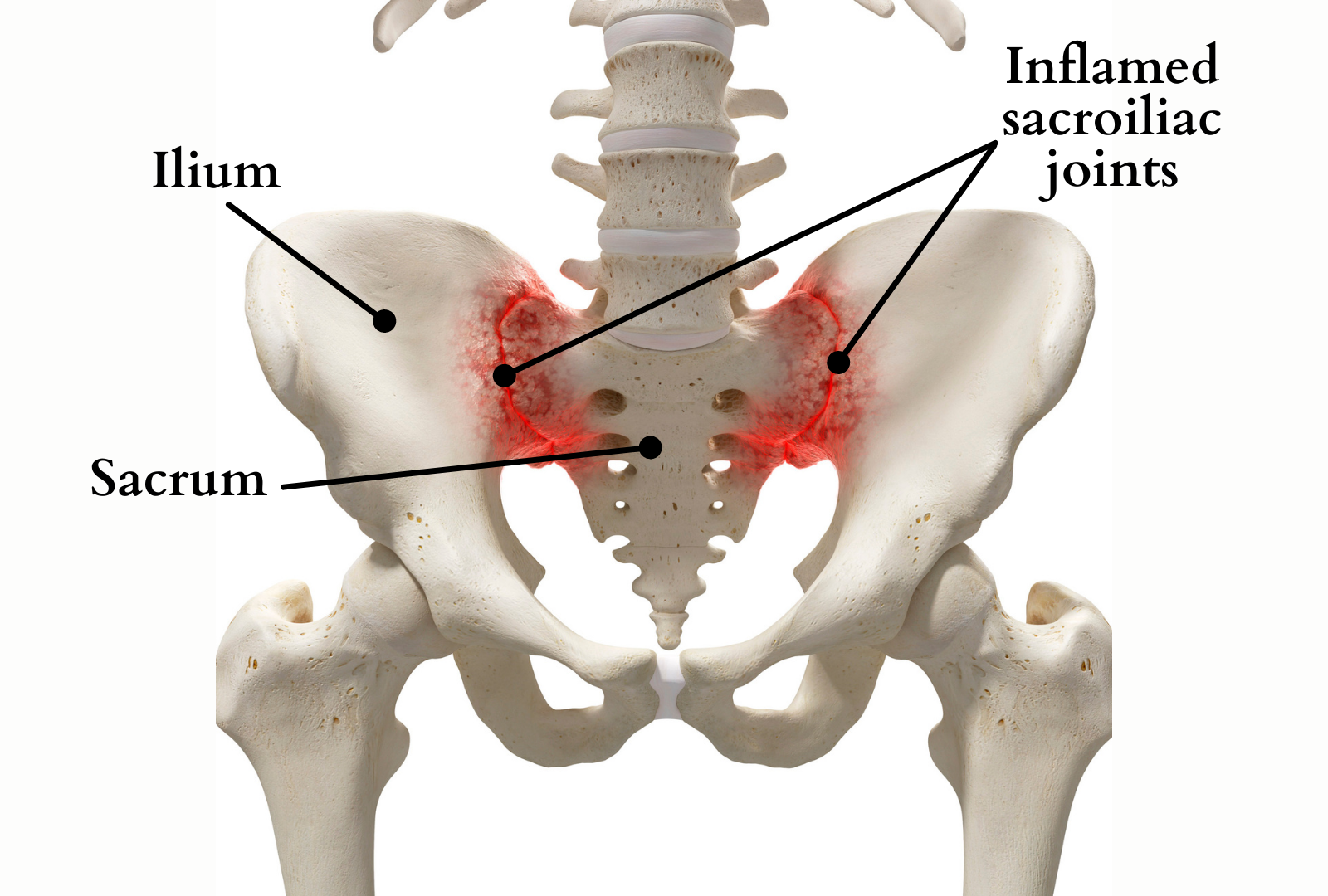
Sacroiliitis is difficult to diagnose because it is often considered as lower back pain caused by some other conditions like sciatica.

Hip pain is not always caused by something serious, but there are some hip pain symptoms that you should not ignore. Find out what they are.

The sacroiliac joint is a linkage system between the lower part of the spine and pelvis. Our tailbone (sacrum) connects with the right and left sides of pelvic bones to form sacroiliac joint. Our sacroiliac joint is a fairly stiff and rigid connection between the tailbone and pelvic bones, and only a few degrees of movement occurs here.
Unsure which protocol you need? Select your symptoms for a clinical recommendation.