Spinal Decompression for Lower Back Pain: How It Works and When It Helps
Published on
Lower back pain is one of the most common musculoskeletal problems worldwide. Long hours of sitting, repetitive strain, poor posture, and disc compression can gradually place pressure on the lumbar spine.
Because of this, many people begin researching spinal decompression for lower back pain as a way to relieve pressure and improve spinal mobility without relying entirely on medication or invasive procedures.
Spinal decompression focuses on gently reducing pressure between the vertebrae. When compression decreases, the discs and surrounding tissues may have more room to relax and recover. For some people, this can reduce stiffness, improve flexibility, and relieve nerve irritation that contributes to lower back discomfort.
Understanding how spinal decompression works and when it may help can make it easier to determine whether it should be part of a long-term back care routine.
What Causes Lower Back Pain
The lower back supports a large portion of the body’s weight and absorbs stress throughout daily movement. Over time, this stress can lead to several common causes of lumbar discomfort.
Some of the most frequent contributors include:
Disc compression
Spinal discs act as cushions between the vertebrae. When discs remain compressed for long periods, they may lose hydration and flexibility, which can contribute to stiffness and discomfort.
Prolonged sitting
Sitting for extended periods increases pressure in the lumbar spine. Many office workers experience tightness and fatigue in the lower back for this reason.
Muscle imbalance
Weak core muscles or tight hip muscles can place uneven stress on the spine, increasing strain in the lumbar region.
Poor posture
Forward-leaning posture and slouching shift load toward the lower spine, which can accelerate fatigue and spinal compression.
Because many of these factors involve pressure in the lumbar discs, techniques that reduce compression in the spine are often explored as part of a recovery routine.
What Spinal Decompression Actually Does
The goal of spinal decompression for lower back pain is to gently create space between the vertebrae. This temporary reduction in pressure may allow the discs and surrounding tissues to relax.
Several physiological effects may occur during decompression.
Reduced disc pressure
When compression decreases, the discs may temporarily expand slightly. This can allow better movement of fluids within the disc.
Improved circulation
Reducing pressure may improve blood flow to nearby tissues that support spinal health.
Reduced nerve irritation
If nerves are irritated by compression or tight disc spaces, decompression may reduce the pressure affecting those nerves.
These effects are usually temporary, which is why decompression is often performed in repeated sessions rather than a single treatment.
Types of Spinal Decompression
Different decompression methods can vary widely in how they support the spine. If you want a deeper comparison of available options, you can read our guide to choosing the best spinal decompression device.
Inversion Tables
Inversion tables use gravity to stretch the spine while the user hangs upside down or at an inverted angle. This creates traction on the spine.
However, inversion therapy is not ideal for everyone, especially people with balance issues or certain health conditions. If you want a detailed comparison between inversion therapy and other decompression approaches, you can read our guide on inversion table vs spinal decompression.
Some people find relief using inversion, but it may not be comfortable or appropriate for everyone.
Clinical Traction Systems
Some medical clinics use traction equipment to apply controlled pulling forces to the spine. These systems are typically supervised by professionals.
Foam Back Stretchers
Foam stretchers are curved supports placed under the back. They create mild extension of the spine but often provide limited control over the amount of decompression.
Structured Decompression Devices
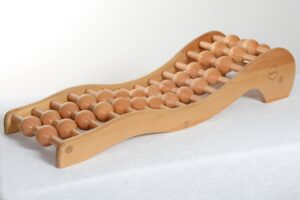
Some decompression devices are designed to support gradual spinal extension while the user remains in a stable position on the ground. These systems aim to provide controlled decompression rather than relying on gravity or sudden stretching.
Which Decompression Methods May Help Lower Back Pain
Different decompression approaches may work better depending on the source of the discomfort.
For example:
mild disc compression may respond well to gentle extension
stiffness from prolonged sitting may improve with repeated decompression sessions
muscle tension may relax when spinal pressure decreases
Many people prefer approaches that allow controlled spinal extension in a stable position, especially when performing decompression at home.
Gradual positioning allows muscles and connective tissues around the spine to relax instead of resisting sudden stretching.
When Spinal Decompression May Not Be Appropriate
Although decompression can help many individuals, it is not suitable for every situation.
People should seek medical guidance before attempting decompression if they have:
Medical evaluation is recommended when symptoms are severe or continue to worsen.
Older adults may benefit from a more stable and controlled approach to spinal decompression. Our guide to the best spinal decompression device for seniors explains which features make decompression devices safer and easier to use for aging spines.
Balanced guidance like this improves credibility and helps readers understand when decompression should be approached cautiously.
How to Use Spinal Decompression Safely at Home
For individuals exploring spinal decompression for lower back pain at home, safety and gradual progression are important.
A typical routine focuses on several principles.
Short sessions
Most people begin with sessions lasting between five and ten minutes.
Relaxed positioning
The goal is to allow the body to settle into decompression rather than forcing the spine into a deep stretch.
Neutral spine alignment
Maintaining a comfortable neck and lower back position helps reduce unnecessary strain.
Consistency
Regular short sessions often produce better results than occasional long sessions.
When decompression becomes part of a consistent routine, the spine may gradually adapt to the movement and respond more comfortably over time.
Example of a Structured Decompression Approach
Some individuals prefer decompression systems designed specifically to support gradual spinal extension.
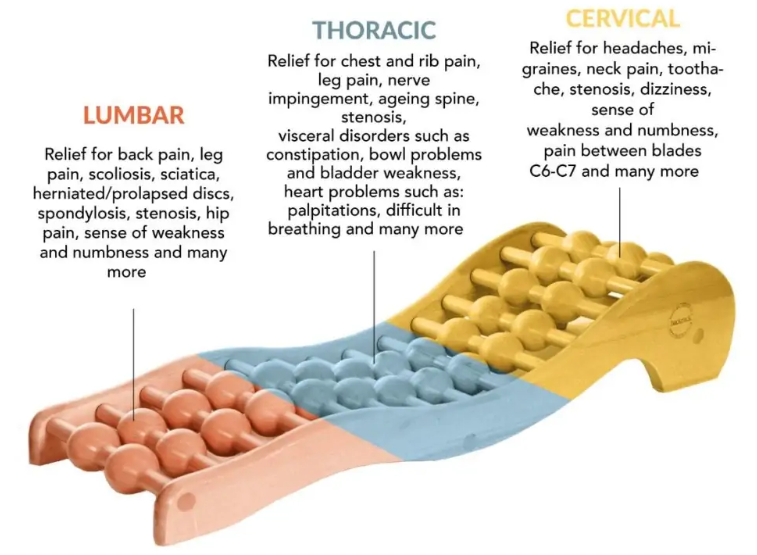
For example, certain structured decompression devices allow controlled spinal extension while the user remains in a stable position on the floor. This approach focuses on slow and supported decompression rather than aggressive traction.
If you want to see how one example works in practice, you can explore this guide to using the Backrack for lower back pain, which explains how a structured decompression device can be incorporated into a home routine.
Spinal decompression may help reduce pressure in the lumbar spine. By gently creating space between vertebrae, decompression can help relieve tension around discs and nerves that contribute to lower back discomfort.
Some people notice temporary relief after a few sessions, while others require consistent use over several weeks. Results depend on the cause of the lower back pain and how regularly decompression is performed.
Many people safely perform decompression at home when using devices designed for controlled spinal extension. It is important to start with short sessions and avoid aggressive stretching.
Many home routines involve sessions lasting five to ten minutes performed several times per week. Gradual and consistent sessions are usually more effective than occasional long sessions.
People with severe osteoporosis, recent spinal surgery, spinal fractures, or severe neurological symptoms should consult a healthcare professional before attempting spinal decompression.
Different methods may work depending on the individual. Many people prefer decompression systems that allow controlled extension in a stable position rather than relying on strong traction or inversion.
Why Consistency Matters More Than Intensity
Many people assume stronger stretching produces better results. In reality, spinal tissues often respond better to gradual and repeatable movements.
When decompression is applied gently and consistently, it may help reduce pressure in the lumbar spine and support long-term spinal mobility.
For individuals dealing with long periods of sitting or chronic stiffness, incorporating spinal decompression for lower back pain into a regular routine may provide a practical approach to managing spinal pressure.
If you are comparing different methods, our complete guide to choosing the best spinal decompression device explains how different systems work and what features matter most for safe home use.
Sign up our newsletter to get article update about backrack therapy.
Fill out the form, and we’ll get back to you within 24 hours with more details!
We use cookies to ensure that we give you the best experience on our website. If you continue to use this site we will assume that you are happy with it.