Safe Alternatives to Inversion Tables for Back Pain Relief
Published on
Many people searching for safe alternatives to inversion tables are not against spinal decompression. They simply want a safer and more controlled way to relieve back pressure without hanging upside down.
If you have considered an inversion table but felt unsure because of dizziness, blood pressure concerns, balance issues, or fear of falling, you are not alone. The good news is that non-inversion options can still help decompress the spine at home, often in a more gradual and manageable way.
This guide explains what makes an inversion table alternative safer, what your options are, and how to choose one that fits your comfort level.
Why People Look for Safe Alternatives to Inversion Tables
Inversion tables use gravity to stretch the spine by positioning the body head down. While that approach works for some people, others find it uncomfortable or intimidating.
Common reasons people start researching alternatives include:
For older adults or anyone with stability concerns, full inversion can feel too aggressive. That is why many buyers search specifically for safer ways to decompress the spine without full inversion.
What Makes an Alternative Safer Than an Inversion Table
When evaluating options, focus on features that promote control and comfort rather than intensity.
Look for:
Controlled extension instead of full gravity inversion
Adjustable intensity so you can begin gently
Stable base and full spinal support
No head-down positioning
Easy entry and exit
The ability to relax muscles during use
In most cases, consistency matters more than force. A device that allows repeatable and comfortable sessions is often more beneficial than one that delivers a strong stretch immediately.
Types of Safe Alternatives to Inversion Tables
There are several non-inversion options available today. Each has strengths and limitations.
Foam Back Stretchers
These are small curved supports placed under the spine.
Pros:
Affordable
Portable
Cons:
Limited adjustability
Can feel sharp or localized
Hard to fully relax on
Foam stretchers are entry-level tools, but they lack structure and progressive control.
Traction Belts
These wrap around the waist and apply pull-through inflation or tension.
Pros:
Adjustable tension
Targeted lumbar traction
Cons:
Requires setup
Can feel restrictive
Often used seated, limiting full relaxation
They can help some users but may not provide full spinal support.
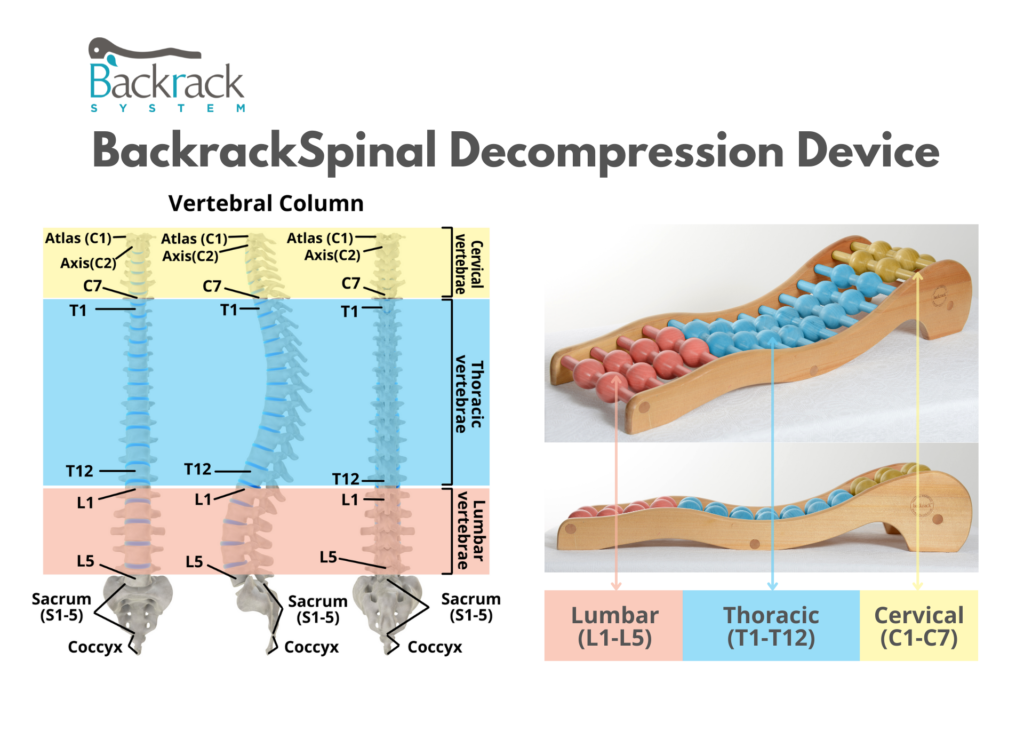
Structured Spinal Decompression Devices
These devices support the spine in a controlled extension position without inversion.
Pros:
No head-down positioning
Stable structured support
Gradual progression
Easier muscle relaxation
This category is often discussed when comparing the best spinal decompression device for home use because it balances safety and effectiveness.
If you want a full breakdown of how these devices compare, you can review our guide to the best spinal decompression device.
Is Non-Inversion Decompression Effective
A common concern is whether decompression works if you are not hanging upside down.
The effectiveness depends more on:
Controlled spinal extension
Muscle relaxation
Consistent use
Proper positioning
Many people find that gradual extension allows them to stay relaxed longer, which may reduce the feeling of compression over time.
The key is sustainability. A method you can repeat comfortably often delivers better long-term results than one that feels extreme but is difficult to maintain.
Who Should Avoid Inversion Tables
Inversion tables may not be ideal for:
Individuals with uncontrolled high blood pressure
Those with glaucoma
People with balance instability
Anyone prone to dizziness
Seniors who feel unsafe getting inverted
For these individuals, exploring safe alternatives to inversion tables may provide a more comfortable starting point.
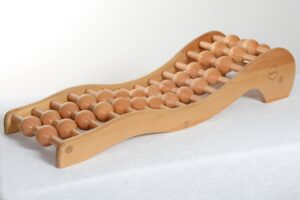
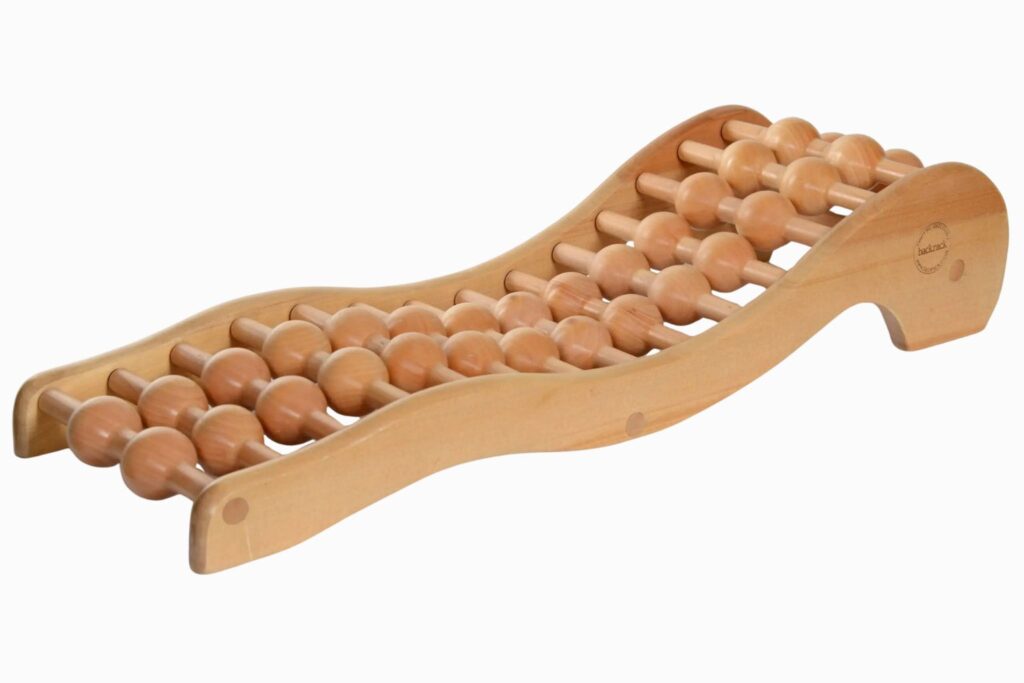
For readers looking for a practical non-inversion option, here is one example of a structured decompression device designed for controlled home use.
If you’re looking for a practical non-inversion option, here is one example of a structured decompression device designed for controlled home use.
Unlike inversion tables, it allows gradual extension in a stable, supported position.
For many people, the ability to decompress in a stable and supported position makes long-term use more realistic.
How to Start Safely With an Inversion Alternative
If you choose a non-inversion method:
Start with shorter sessions
Use low intensity at first
Focus on slow breathing
Stop if symptoms worsen
Increase duration gradually
Listen to your body. Comfort and repeatability are more important than intensity.
Choosing Safe Alternatives to Inversion Tables That Fit Your Needs
If you are researching safe alternatives to inversion tables, prioritize control, stability, and long-term consistency. A method that feels safe and sustainable is often more valuable than one that relies on strong gravitational force.
When comparing options, look for features that support gradual extension and allow you to relax fully during each session.
A safe alternative is one that lets you decompress in a stable position, with controlled and adjustable intensity. Many people choose non inversion spinal decompression devices because they avoid head down positioning and are easier to use consistently.
They can, especially when the goal is gentle, repeatable spinal unloading. Results depend on comfort, proper positioning, and consistent use rather than doing the most intense stretch.
Look for a non inversion option that is stable, easy to get on and off, and does not shift your center of gravity. If dizziness is common for you, avoiding inversion entirely is often the simplest safety upgrade.
Often, yes. Many seniors prefer options that feel secure and do not require hanging upside down. Ease of entry, stability, and gradual progression tend to matter more than intensity.
Some people feel relief right away, while others need a consistent routine for 1 to 3 weeks. A practical approach is short sessions at low intensity, then gradual increases based on comfort.
Choose an option that offers controlled positioning, adjustable intensity, solid support, and a routine you can repeat daily. If you are comparing categories, prioritize comfort and stability over extreme stretch.
Results may vary. Not suitable for everyone (see contradictions). Consult your healthcare professional before use if you have a medical condition.
We use cookies to ensure that we give you the best experience on our website. If you continue to use this site we will assume that you are happy with it.