Best Spinal Decompression Device for Seniors: What to Look for and What to Avoid
Published on
If you are searching for the best spinal decompression device for seniors, you are probably looking for something safe, stable, and easy to use at home. Many older adults deal with chronic lower back pain, spinal stiffness, disc issues, or nerve irritation. The goal is not aggressive stretching. The goal is gentle, controlled relief.
Not every decompression method is appropriate for older adults. Some options can feel unstable or place unnecessary strain on the body. In this guide, we will break down what actually works, what to avoid, and what makes a device senior-friendly.
Why Seniors Need a Different Approach
As we age, the spine naturally changes:
Discs lose hydration and height
Joints become stiffer
Bone density may decrease
Balance and stability may decline
Because of this, high-force or unstable decompression methods are often not ideal.
Seniors typically benefit most from:
Controlled extension
Stable positioning
Gradual pressure release
No sudden inversion or hanging
The safest approach is one that supports the body rather than suspends it.
Why Inversion Tables May Not Be Ideal for Seniors
Inversion tables are popular, but they require:
Climbing onto a frame
Locking ankles securely
Leaning backward into full or partial inversion
For many seniors, this raises concerns about:
Blood pressure changes
Balance and stability
Getting on and off the table
Dizziness or discomfort
That does not mean inversion is impossible. It just means it is often not the safest first option for older adults.
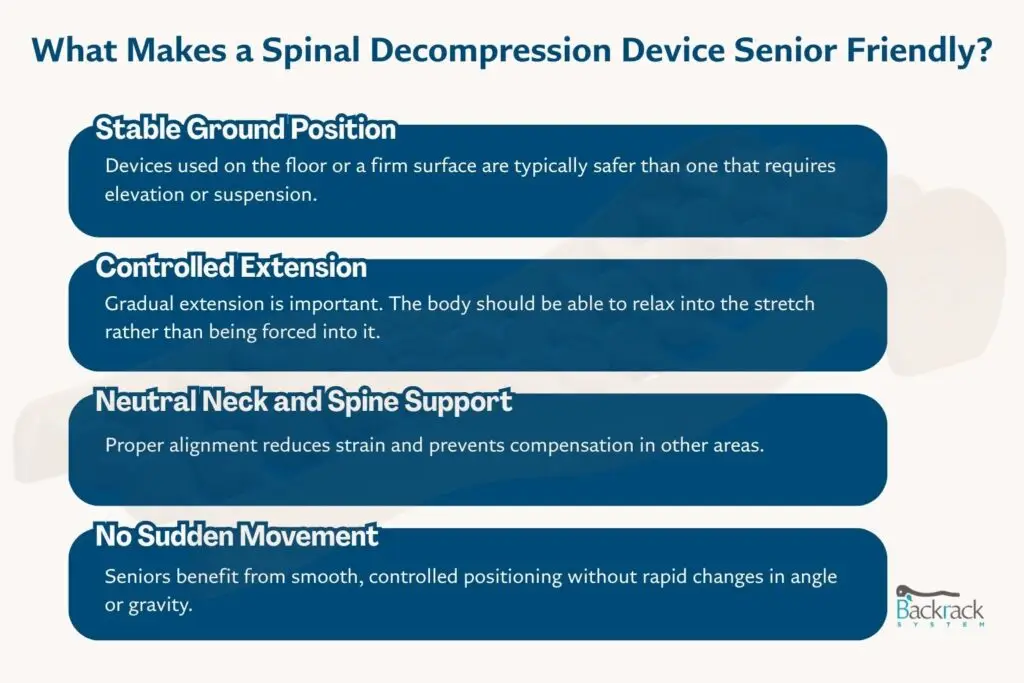
What Makes the Best Spinal Decompression Device for Seniors?
When evaluating the best spinal decompression device for seniors, focus on these features:
1. Stable Ground Position
A device used on the floor or a firm surface is generally safer than one that requires elevation or suspension.
2. Controlled Extension
Gradual extension is important. The body should be able to relax into the stretch rather than being forced into it.
3. Neutral Neck and Spine Support
Proper alignment reduces strain and prevents compensation in other areas.
4. No Sudden Movement
Seniors benefit from smooth, controlled positioning without rapid changes in angle or gravity.
How Structured Decompression Devices Compare
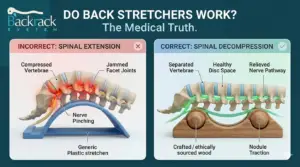
Unlike inversion tables, structured decompression devices allow the user to remain grounded while encouraging gentle spinal extension.
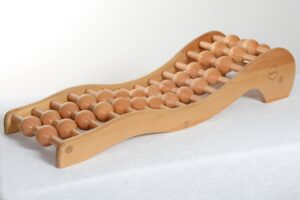
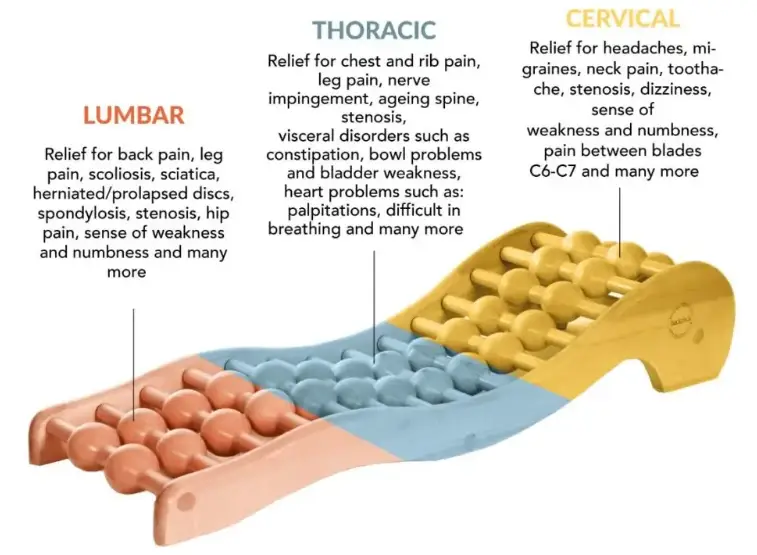
For example, a structured device such as the Backrack spinal decompression device is designed to support the natural curve of the spine while gradually encouraging decompression in a stable position. This approach can feel more controlled and less intimidating for older adults.
If you want a broader comparison of device types, see our guide to the best spinal decompression device to understand how different systems compare.
For seniors who want a stable and controlled option at home, here is one example of a structured spinal decompression device designed for gradual extension.
If symptoms include new weakness in the leg, loss of bladder control, or progressive neurological changes, medical evaluation is necessary before starting any decompression routine.
How to Start Safely
If trying a decompression device:
Begin with short sessions, 5 to 8 minutes
Focus on breathing and relaxation
Avoid forcing range
Stop if pain increases sharply
Consistency matters more than intensity.
For many seniors, the best spinal decompression device for seniors is one that feels calm, stable, and predictable rather than extreme.
Watch how a structured spinal decompression device is used safely at home.
FAQs About the Best Spinal Decompression Device for Seniors
In some cases, gentle decompression may reduce nerve pressure that contributes to sciatic discomfort. Results vary depending on severity.
Choosing What Feels Safe and Sustainable
The best spinal decompression device for seniors is not the one that stretches the most. It is the one that supports the spine in a calm, stable way that encourages consistency.
Older adults benefit from control, predictability, and comfort. When those elements are present, decompression becomes something that can be used regularly rather than something that feels intimidating.
If you are comparing options, focus on safety first, then comfort, then ease of use. That order matters more than marketing claims.
Sign up our newsletter to get article update about backrack therapy.
Get Your Personalized Spinal Recovery Plan
Unsure which protocol you need? Select your symptoms for a clinical recommendation.
We use cookies to ensure that we give you the best experience on our website. If you continue to use this site we will assume that you are happy with it.