What Causes Sciatica Buttock Pain? 9 Common Causes and What Helps
Published on
If you have deep buttock pain that feels sharp, burning, aching, or like an electric shock, you might be dealing with sciatica or something that closely mimics it. People often notice it most when sitting, getting out of the car, bending forward, or after a long day on their feet.
This guide answers the question what causes sciatica buttock pain and helps you narrow down what is most likely in your case. You will also find practical, safe at-home steps that many people use to calm symptoms and support recovery.
Important note: This article is educational and not medical advice. If you have severe symptoms, symptoms that are getting worse, or any red flags listed below, get evaluated by a qualified healthcare professional.
Table of Contents
What is sciatica buttock pain?
Sciatica is a set of symptoms that usually happens when one or more nerve roots in the lower spine become irritated or compressed, most commonly around L4 to S1. The sciatic nerve is the large nerve that runs from the lower back through the buttock and down the back of the leg. When the nerve pathway is irritated, pain can show up in the buttock, then travel into the thigh, calf, or foot.
Two important things to know:
Sciatica can start in the buttock even if the low back does not feel very painful.
Buttock pain is not always true sciatica. Muscle, joint, and hip issues can refer pain into the buttock and feel very similar.
That is why identifying the most likely cause matters.
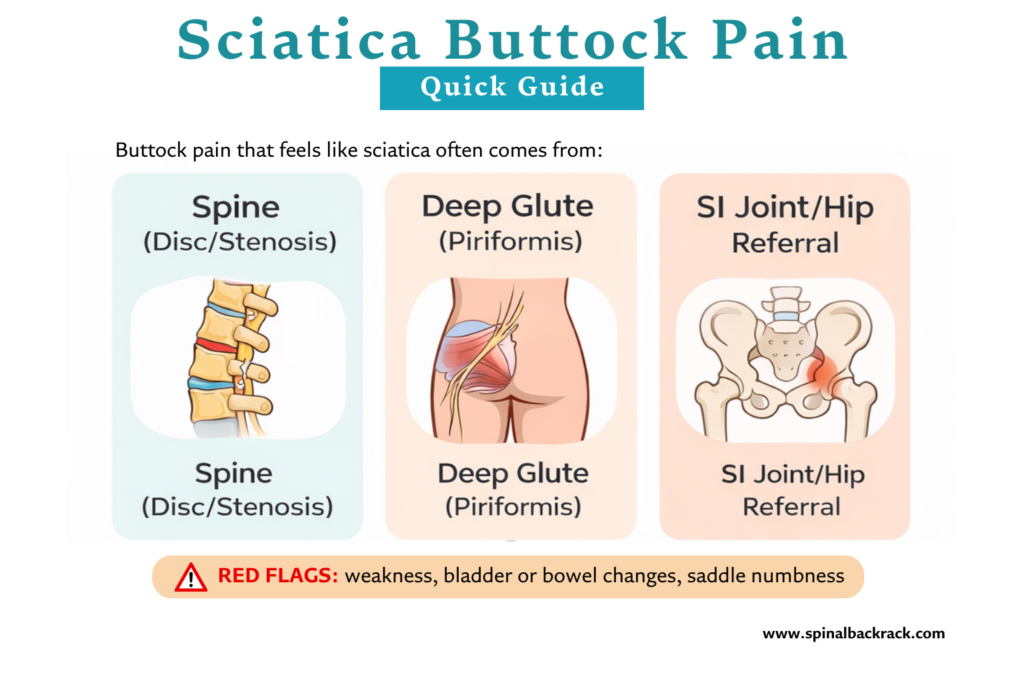
9 common causes of sciatica buttock pain
Below are the most common causes and mimics. Each one includes a typical pattern, common triggers, and what often helps.
1. Lumbar disc bulge or herniation
Typical pattern
Buttock pain that can radiate down the leg
Tingling, numbness, or burning sensations are more likely
Pain can spike with coughing, sneezing, or bearing down
Sitting often worsens it because it loads the spine
Common triggers
Bending forward repeatedly
Long driving or sitting
Lifting or twisting with load
What often helps
Short-term reduction of aggravating positions
Gentle unloading and decompression style positions
Gradual return to movement and walking, if tolerated
Avoiding aggressive stretching when the nerve is “hot” or very irritable
If you are not sure whether your symptoms are sciatica or general low back pain, read our guide on lower back pain vs sciatica.
2. Spinal stenosis (narrowing in the spinal canal)
Typical pattern
Buttock pain that can radiate into the legs
Often worse with standing and walking
Often improves with sitting, leaning forward, or bringing knees up
Common triggers
Standing in one spot
Walking downhill
Long periods of upright posture
What often helps
Frequent breaks and position changes
Flexion-friendly movements (depending on tolerance)
Building walking tolerance gradually
Reducing prolonged standing when symptoms flare
3. Piriformis syndrome or deep gluteal syndrome
Typical pattern
Deep buttock pain, often worse with sitting
Pain may radiate down the leg, especially with prolonged sitting
Tenderness in the deep glute area is common
Common triggers
Long sitting
Climbing stairs or hills
Overuse of glutes with poor hip mechanics
What often helps
Reducing sitting time and using posture breaks
Gentle hip mobility and glute activation
Avoiding aggressive deep stretching at first if it increases symptoms
Pain can be worse with walking, pivoting, or deep hip flexion
Common triggers
Squatting deep
Pivoting and twisting on the leg
Long walks without conditioning
What often helps
Hip-focused assessment and targeted rehab
Modifying aggravating movement patterns
Avoiding deep hip flexion if it triggers symptoms
9. Less common nerve and medical causes
Most sciatica-like buttock pain is mechanical, but some causes require medical evaluation.
Examples include:
Serious nerve compression with progressive weakness
Infection, tumor, fracture, or inflammatory conditions
Vascular issues that mimic nerve pain
If you see red flags, do not rely on internet advice.
See what conditions that can be mistaken for sciatica.
What causes sciatica buttock pain when sitting?
Sitting increases pressure through the discs and can place the lower spine in a flexed position. For many people, that combination can aggravate a disc-related sciatica pattern. Sitting can also compress structures in the deep glute area, which can aggravate piriformis or deep gluteal syndrome. That is why sitting-related buttock pain can have more than one source.
A useful clue is what happens when you change positions:
If standing up and walking a few minutes improves symptoms, prolonged sitting load may be a major driver.
If sitting is the main trigger and deep glute tenderness is obvious, deep gluteal syndrome becomes more likely.
If coughing or sneezing spikes pain, nerve root irritation from the spine becomes more likely.
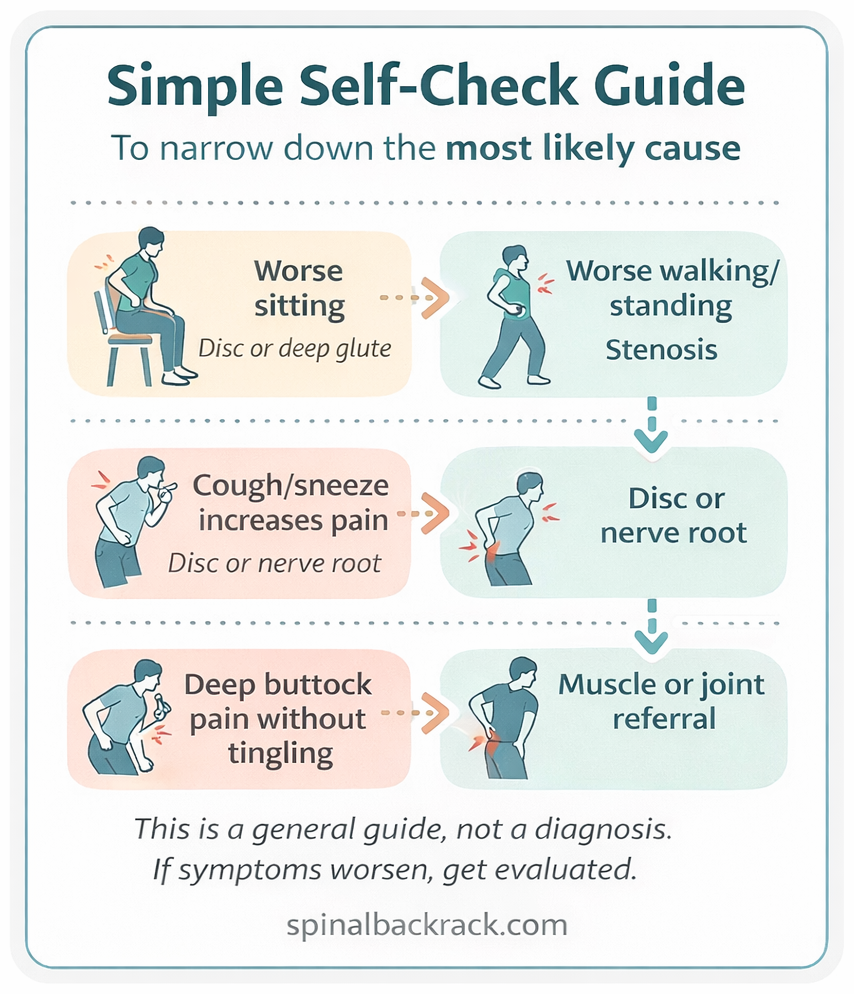
How to narrow down the most likely cause (simple self-check guide)
This is not a diagnosis. It is a practical way to organize patterns so you can choose safer next steps.
If sitting is clearly worse
Most likely patterns:
Disc irritation
Piriformis or deep gluteal syndrome
Posture loading from prolonged sitting
Next step:
Reduce sitting time for a few days, use frequent breaks, and start gentle unloading and mobility.
If walking or standing is clearly worse, sitting improves it
Most likely pattern:
Spinal stenosis style irritation
Next step:
Use short, frequent walks, avoid long continuous standing, and experiment with positions that reduce symptoms.
If coughing, sneezing, or bearing down spikes pain
Most likely pattern:
Disc or nerve root irritation
Next step:
Avoid heavy lifting and aggressive stretching during the flare, focus on gentle movement and unloading positions.
If pain is deep in the buttock with minimal tingling or numbness
More likely patterns:
Piriformis or deep gluteal syndrome
SI joint referral
Trigger points
Next step:
Gentle hip mobility, glute activation, and reducing long sitting.
Red flags (get checked urgently)
Seek urgent medical care if you have any of the following:
New or worsening weakness in the leg or foot, foot drop
Loss of bowel or bladder control
Numbness in the saddle area (inner thighs, groin)
Severe, unrelenting pain that does not change with position
Fever, unexplained weight loss, history of cancer, recent major trauma
What helps most people (safe at-home steps)
These steps are conservative and focus on reducing irritation and building tolerance.
1. Stop feeding the flare for a few days
If a movement or position reliably spikes symptoms, reduce it temporarily. The goal is not to avoid movement forever. The goal is to calm the irritation so you can rebuild.
Examples:
Shorten sitting sessions and use breaks
Avoid repeated bending and twisting under load during a flare
Avoid aggressive stretching that causes sharp radiating pain
2. Use position changes as medicine
Many people do best with a simple rule:
Change position every 30 to 60 minutes
Even 2 to 5 minutes of walking or gentle movement can reduce symptoms for the next hour.
3. Try gentle unloading and decompression positions
The idea is to reduce pressure and allow the nervous system to relax.
Options that many people tolerate:
Lying on your back with knees supported
Side-lying with a pillow between the knees
Short sessions of gentle decompression routines
Stop if symptoms sharply worsen or strongly radiate farther down the leg.
4. Walk if you can, but do it in small doses
Walking is often helpful because it improves circulation, reduces stiffness, and supports recovery. Keep it short and repeatable.
If walking worsens symptoms quickly, shift toward shorter bouts and more frequent breaks.
5. Use gentle mobility and simple strengthening
Think in terms of low-intensity consistency.
Hip mobility that does not flare nerve symptoms
Light core and glute work to support pelvic control
Avoid forcing end-range stretching during acute flares
6. Improve sleep positions
If night pain is an issue:
Side-sleepers: pillow between knees
Back-sleepers: pillow under knees
Avoid positions that twist the pelvis
Where Backrack fits into an at-home plan
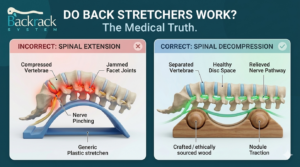
Many causes of sciatica-like buttock pain involve a combination of compression, stiffness, and sensitivity in the low back and hips. For people who respond well to gentle unloading, a consistent at-home routine can be a useful part of the solution.
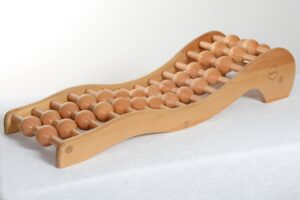
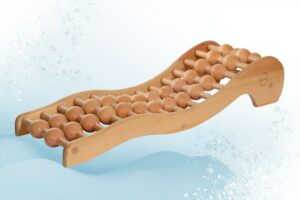
Backrack is designed to support a simple decompression-style routine at home. The best way to use a tool like this is not to chase intensity, but to build consistency.
Most readers start with the Backrack device. The combo is optional for people who want added lumbar support.
Yes. It can start in the buttock and show minimal back pain, especially when the primary irritation is the nerve pathway rather than the back muscles. It can also be a mimic like piriformis syndrome or SI joint referral.
Sitting can increase disc pressure and place the lower spine in a position that irritates nerve roots. It can also compress deep glute structures that can irritate the sciatic nerve pathway.
It varies widely. Some flares settle in days to weeks with conservative care and better loading habits. If symptoms persist, worsen, or include weakness, it is worth getting evaluated.
Gentle stretching can help some people, but aggressive deep stretching can worsen symptoms when the nerve is irritated. Start gently and stop if the pain sharply radiates or intensifies.
Common mimics include piriformis or deep gluteal syndrome, SI joint referral, hip joint issues, and trigger points. Internal reading suggestion: link to your post using anchor text like conditions mistaken for sciatica.
A simple next step
If you want a straightforward starting plan, do this for 7 days:
Reduce long sitting and take frequent breaks
Walk in small, repeatable doses if tolerated
Use a gentle unloading routine daily
Add light hip and core work that does not flare symptoms
Track what improves symptoms and what reliably triggers them
If you are still asking what causes sciatica buttock pain, start with the patterns and steps above and consider a gentle decompression routine you can do consistently.
Sign up our newsletter to get article update about backrack therapy.
Fill out the form, and we’ll get back to you within 24 hours with more details!
We use cookies to ensure that we give you the best experience on our website. If you continue to use this site we will assume that you are happy with it.