How to Deal With Signs of Pulled Back Muscle?

Lower back muscle pain starts slowly or as a stabbing pain and intensifies for a few hours or days. If it is continued for two weeks, this is when medical assistance is required. Before this time, you can use home remedies for pain management. If you have pulled a muscle in your body, there are different ways to detect this. You should be able to characterize the kind of pain you are feeling. Some of the symptoms of pulled muscles are:

1) Ache in Lower Back

When your muscles are strained, you will feel sore. Also, there will be ache or tightness in that region. This pain feels very hot and gives a tingling sensation. Since it feels electric, it is most probably due to inflammation or irritation of a nerve.

2) Intense Pain

If you have a sort of pain that gets intense with movement, then it is most probably due to pulled back muscle. Movement of the region where the muscle is affected can make the pain worse. For example, you might feel intense pain if you quickly get up from your seat or bend to pick something up. Sometimes, you might even feel pain while getting out of bed in the morning.

3) Localised Pain

There are a lot of muscles in your hip and lower back. They help in supporting the back and proper posture. In most cases, the pain will not travel to your feet and stays localised in the back. If you feel that pain is localised in a specific region, it is due to pulled back muscle.

4) Stiffness while Walking

When a muscle is strained in your back, it would be hard for you to walk or even stand. If you have difficulty walking for a long period of time or shift positions, it is in indicator of a pulled back muscle.

5) Inflammation

If the affected region feels tender to touch, this is an indication of inflammation. This often comes with pulled back muscle pain. The area might even swell due to cramps or muscle spasms, over time. If this remains so, mobility might be limited for some time.

6) Diagnosis of Muscle Pain

The first way to diagnose muscle pain is by studying medical history. If there is a history of inflammation or injury, muscle pain is likely due to them. Medical history would also let you know about physical activity and sleeping habits. In physical exams, your range of motion is tested. It shows if there is any flexibility in the back region.

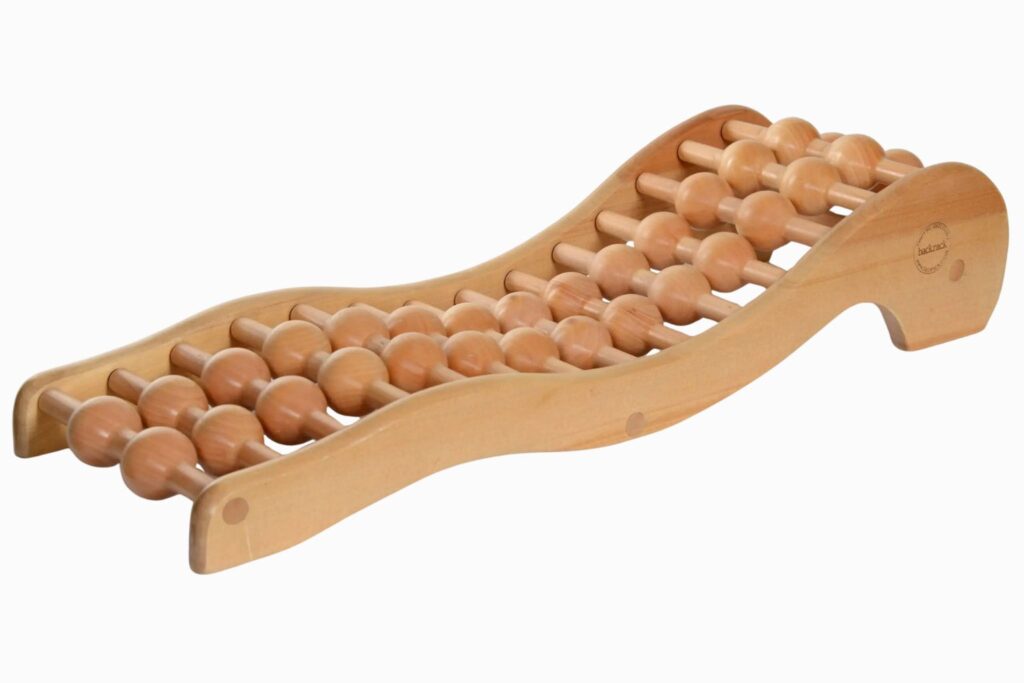
Backrack Device Side View

How to Treat Pulled Back Muscle Pain at Home?

The easiest way to deal with this pain is to use the Backrack™ device for some time. It will allow your muscles to relax so that tension can be alleviated. If you work in an office chair for the whole day, you should sit on a reclining chair and keep your legs elevated. Keeping your legs elevated removes pressure and tension from the region. This also helps in reducing pain, temporarily. Once the muscles have relaxed, the pain will go away.

Author: Spinal Backrack

designed by spinal specialists

Spinal Backrack ™ - spinal decompression device

Backrack™ – Spinal Decompression Device

Rated 4.8/5 by our customers

Gently decompresses your spine to target a root cause of back pain, not just the symptoms. Backed by 45+ years of clinical experience.

What customers are saying

"The Backrack has been a game changer for my lower back pain. I use it every day!"

- Michael R.

Verified Buyer

Why choose Backrack
Target the source

Gently decompress the spine help relieve pressure and pain

Designed for Home Use

Safe, simple, and effective - use it anytime, anywhere

10 Minutes a Day

Short, consistent sessions can make a big difference.

Built to Last

Made with premium materials for long term durability.

Real Reviews. Real Results.

See all reviews

Read hundreds of reviews from people just like you.

14-Day Retrurns

No hassle. Oure peace of mind

Free Shipping

US & UK, delivered within 3 days

Secure Checkout

Safe & encrypted payments

Results may vary. Not suitable for everyone (see contradictions). Consult your healthcare professional before use if you have a medical condition.

Get Your Personalized Spinal Recovery Plan

Unsure which protocol you need? Select your symptoms for a clinical recommendation.