
Chronic back pain is one of the most common health complaints across the globe, often affecting a person’s ability to work, move freely, and enjoy daily life. While surgery or long-term medication is sometimes suggested, many people are now seeking safer, non-invasive options to manage their pain effectively. The good news is that several tools and techniques are available that offer long-term relief, without the need for medication or surgery.
Unlike surgical procedures or pharmaceutical solutions, non-invasive approaches come with fewer risks and side effects. They focus on treating the root cause of pain rather than simply masking symptoms. These tools often work by improving posture, decompressing the spine, increasing mobility, and strengthening supportive muscles, all key factors in addressing long-term back pain. Non-invasive solutions also empower patients to take an active role in their recovery, making them suitable for both home use and integration into professional care plans.
One of the most effective tools for managing chronic back pain is a spinal decompression device. These are designed to gently stretch the spine and relieve pressure on the intervertebral discs and surrounding nerves.
The Spinal Backrack is a prime example. It uses patented orthopaedic technology to target the entire length of the spine, correcting spinal misalignments and decompressing vertebrae without invasive procedures. Regular use can help reduce pressure-related pain, restore mobility, and prevent further injury. Best for herniated discs, sciatica, poor posture, and general spinal misalignment.
Poor posture is a major contributor to chronic back pain. Posture-correcting devices, such as ergonomic back supports, lumbar rolls, and wearable posture trainers, can help realign the spine and reduce muscle tension caused by prolonged sitting or poor habits.
Incorporating these tools into your daily life, especially if you work long hours at a desk, can significantly decrease the strain placed on your lower and upper back. Best for office workers, students, or anyone sitting for long periods.
Myofascial release tools like foam rollers and massage balls can relieve muscle tightness, trigger points, and soft tissue restrictions. These tools are commonly used for self-massage and are particularly effective in the thoracic and lumbar regions.
They promote blood flow, aid in muscle recovery, and can be used as part of a daily stretching routine to reduce chronic stiffness and tension. Best for muscle knots, tension relief, and post-exercise recovery.
TENS units are small battery-operated devices that deliver low-voltage electrical impulses through electrodes placed on the skin. These impulses stimulate the nerves and block pain signals from reaching the brain, providing temporary pain relief.
Although TENS does not address the root cause of back pain, it’s a useful tool for short-term symptom management and can be part of a broader pain management plan. Best for temporary relief of nerve or muscular pain.
Inversion therapy involves being tilted upside down or at an angle to allow gravity to gently decompress the spine. This technique can help relieve pressure on discs and nerve roots, particularly in the lower back.
However, inversion therapy should be approached with caution and used only under guidance, especially by people with certain health conditions (e.g. high blood pressure or glaucoma). Best for spinal decompression, disc-related pain, and sciatica.
Resistance bands, yoga straps, and mobility wedges can help with safe stretching routines that improve flexibility and spinal range of motion. Stretching tools are particularly useful for targeting tight hamstrings, hip flexors, and the lower back, common areas that contribute to spinal strain.
Regular stretching promotes circulation, reduces stiffness, and supports a healthier spine. Best for improving flexibility, posture correction, and injury prevention.
Reusable heat pads and cold compresses are simple but effective, non-invasive tools. Cold therapy is helpful in reducing inflammation during acute flare-ups. While heat therapy can soothe tight muscles and improve circulation during chronic episodes.
Many people benefit from alternating between heat and cold, depending on the stage and nature of their pain. Best for muscle spasms, joint stiffness, and inflammation.
No single device can solve chronic back pain in isolation. The most effective approach is often a combination of tools and techniques. Including lifestyle changes such as exercise, ergonomic adjustments, and guided rehabilitation. For example, using a spinal decompression tool like the Backrack alongside core strengthening and posture correction can deliver long-term improvements in pain and function.
Chronic back pain doesn’t have to mean a life of medication or invasive procedures. With the right non-invasive tools, you can take an active role in your recovery and long-term spinal health. Whether it’s spinal decompression, posture aids, or mobility tools, these options offer a natural, effective path to pain relief and improved quality of life.
If you’re looking for a safe and medically backed solution, the Spinal Backrack is a powerful tool to start with, designed by spinal specialists to help you treat the cause of back pain, not just the symptoms.
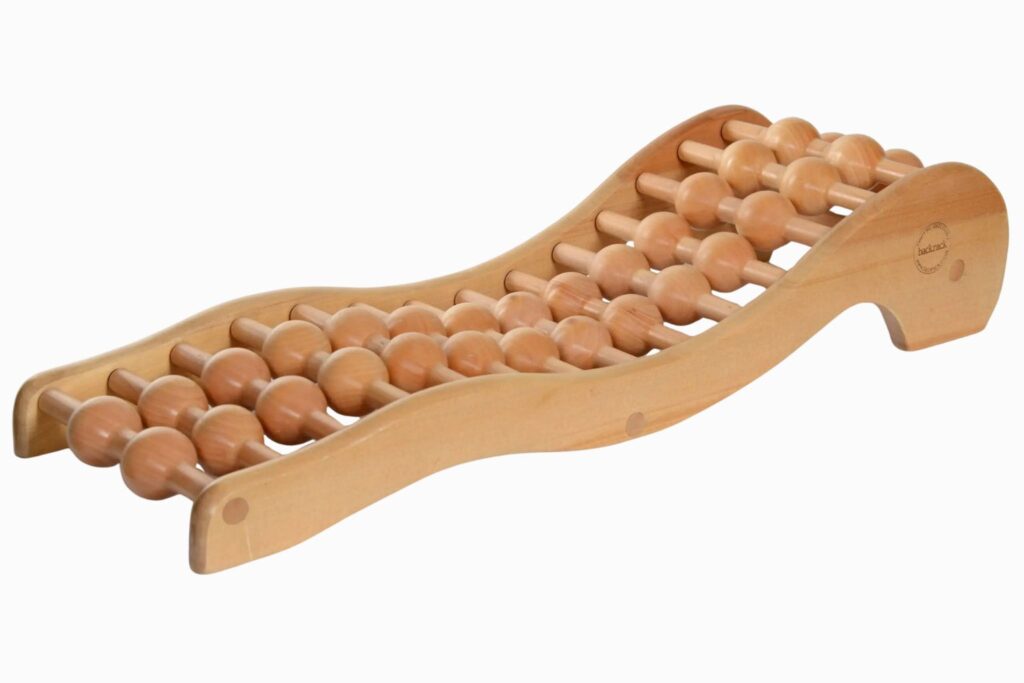
Gently decompresses your spine to target a root cause of back pain, not just the symptoms. Backed by 45+ years of clinical experience.
"The Backrack has been a game changer for my lower back pain. I use it every day!"
Verified Buyer
Gently decompress the spine help relieve pressure and pain
Safe, simple, and effective - use it anytime, anywhere
Short, consistent sessions can make a big difference.
Made with premium materials for long term durability.
See all reviews
Read hundreds of reviews from people just like you.
14-Day Retrurns
No hassle. Oure peace of mind
Free Shipping
US & UK, delivered within 3 days
Secure Checkout
Safe & encrypted payments
Results may vary. Not suitable for everyone (see contradictions). Consult your healthcare professional before use if you have a medical condition.
Unsure which protocol you need? Select your symptoms for a clinical recommendation.